
The New Player at Third Base Didn’t Ruin Your Blackjack Hand
A new username appears in the last open seat at an online live blackjack table. The player joins halfway through the shoe, hits a hand that everyone in the chat thinks should be left alone, and the dealer ends up with 21.
The complaints start immediately. The newcomer took the dealer’s bust card. One bad decision ruined the hand for everybody.
It certainly looks that way once the cards are visible. Before the player acted, however, nobody knew what was coming next. That gap between what was known at the time and what became obvious afterward is where the third-base myth begins.
Why Third Base Gets the Blame
Third base is the last player position before the dealer completes the hand. That makes every decision in the seat appear closely connected to the dealer’s next card.
Suppose the dealer shows a six and the third-base player has a hard 12. The player hits, receives a ten, and busts. The dealer then reveals another ten, draws a five, and finishes with 21. Had the player stood, the dealer would have drawn the first ten and busted.
Now reverse the two cards drawn after the initial deal. Third base receives the five and improves to 17. The dealer receives the ten and busts. The same hit that caused an argument in the first example now appears to save the table.
Both outcomes were possible when the decision was made. Players tend to remember the first because it cost them money. The card sequence changed, but the newcomer had no way to choose the more favorable sequence.
Check What Matters Before Taking a Seat
An online blackjack session starts before anyone clicks an empty seat. Players first choose the casino, how to fund their account, the table, and how much they are prepared to spend. These choices cannot reveal the next card, but they can prevent avoidable problems before play begins.
If AstroPay is the method a player intends to use, it makes sense to confirm support before registering. Casino Banking Methods provides information on online casinos with AstroPay as a starting point for that check. Players should still review the casino’s own cashier terms because minimum transactions, currencies, fees, verification requirements, and withdrawal options can vary.
A payment logo alone does not answer every question. Minimum transactions, currencies, fees, verification requirements, and withdrawal availability can differ between casinos. The Vegas Aces guide to choosing a payment method for online card games covers the wider checks worth making before depositing.
The table rules come next. A natural blackjack paying 3:2 produces a $15 win on a $10 bet, compared with $12 at a 6:5 table. In both cases, the original $10 stake is also returned. Dealer action on soft 17, doubling after a split, surrender, and the number of decks can also affect the game. These are measurable differences. Taking the first seat instead of the last one is not.
Once the casino and table have been chosen, the question becomes much narrower - what can the new player actually change?
A Different Card Sequence Does Not Change the Odds
Another player can change which physical card appears in front of the dealer. They cannot know whether that card will help or hurt the table.
A hit removes a card from the shoe. A stand leaves it for the next hand or, at third base, for the dealer. Because the order is hidden, neither decision can be relied upon to produce a particular result.
Basic strategy still matters, but for a different reason. It identifies the action with the best expected result for the player making the decision, based on that hand, the dealer’s upcard, and the table rules. Someone who ignores it may reduce the expected return on their own wager.
That does not mean they have increased the house edge on every other bet. Their choice may hurt the table during one completed round and help it during another. There is no way to select the helpful outcome beforehand.
Players who want to make sound decisions should use a blackjack strategy chart that matches the table rules. Watching how someone else plays is no substitute for checking the correct move for your own hand.
Hindsight Makes the Myth Feel True
Once a losing hand is over, it is easy to replay the cards and identify the moment when everything supposedly went wrong.
Players rarely do this after a win. If an unusual hit leaves the dealer with a card that causes a bust, the table collects and moves on. Nobody spends the next few rounds praising third base for taking exactly the right card.
A loss receives more attention. The player remembers the money, the card that would apparently have prevented the loss, and the person who took it. After several memorable examples, coincidence begins to look like a pattern.
The pattern exists in memory, not in the odds. It leaves out all the rounds in which the same decision helped the table or made no noticeable difference.
What Other Players Can Affect
Rejecting the third-base myth does not mean the other people at a live table are irrelevant. They can affect the pace and atmosphere of a session.
A slow player may reduce the number of hands dealt each hour. Someone who repeatedly delays decisions can make the table frustrating, while arguments in the chat can distract players from their own hands.
Pace also affects how much money is put into action. At $10 per hand, 60 rounds represent $600 in initial wagers, while 40 rounds represent $400 before splits and doubles. More action does not guarantee a larger loss, but it gives the house edge more opportunities to work.
The form of online blackjack matters as well. The traditional third-base argument belongs to a multi-seat live table where players share the same dealer and shoe. Some online versions use individual betting positions or different dealing systems, so the familiar seating order may not apply.
These are real differences in how a session plays out. None gives another player advance knowledge of the cards.
Play the Hand You Were Dealt
Once pace and atmosphere are separated from probability, the practical response is simple. Follow basic strategy, choose a table with acceptable rules, and stay within the budget set before the session.
If the chat becomes hostile, muting it or moving to another table may make the game more pleasant. Changing seats will not improve the odds.
The newcomer may have made the wrong decision for their own hand. They may even have taken a card that would have caused the dealer to bust. What they did not have was advance knowledge of the shoe. The outcome only looked preventable after every card was already on the screen.
Disclosure: This article contains sponsored content.
Enjoyed this article?
Join our newsletter to get the latest casino industry articles delivered straight to your inbox.
Related Free Learning Hubs: Blackjack, All Hubs
Related Terms & Definitions: Basic Strategy, Initial Deal, House Edge, Blackjack, Position, Minimum, Natural, Action, Casino, Change, Dealer, Player, Full Dictionary
Related Posts
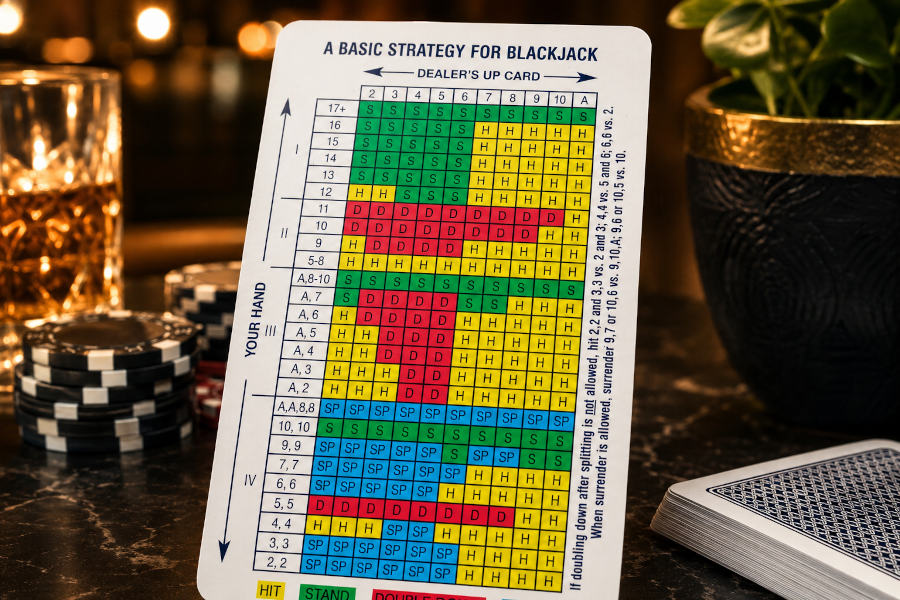
Blackjack Strategy Chart: Basic Strategy for Every Hand
Use our free blackjack strategy chart to learn when to hit, stand, split, or double down. Printable charts for single, double, and shoe games.
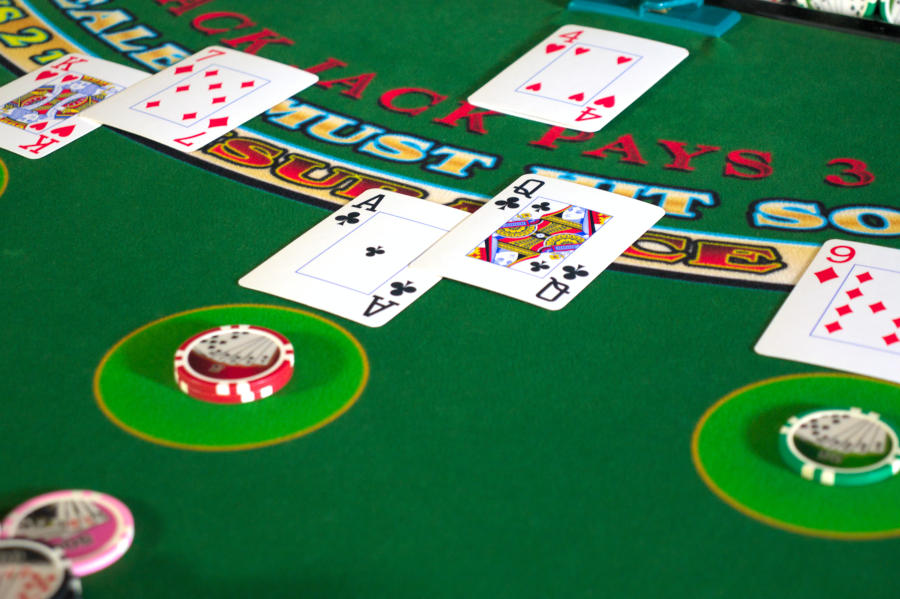
Blackjack Payout Calculator & 3:2 Payout Chart
Download the official 3:2 Guide instantly. Use this printable PDF and our FREE strategy course to master basic strategy and guarantee you maximize your odds.

12 Things You Should Never Do at a Blackjack Table
Aug 30, 2026 Heather Ferris
Discover the 12 blackjack mistakes that can expose a rookie, annoy the table, and even get you kicked out.
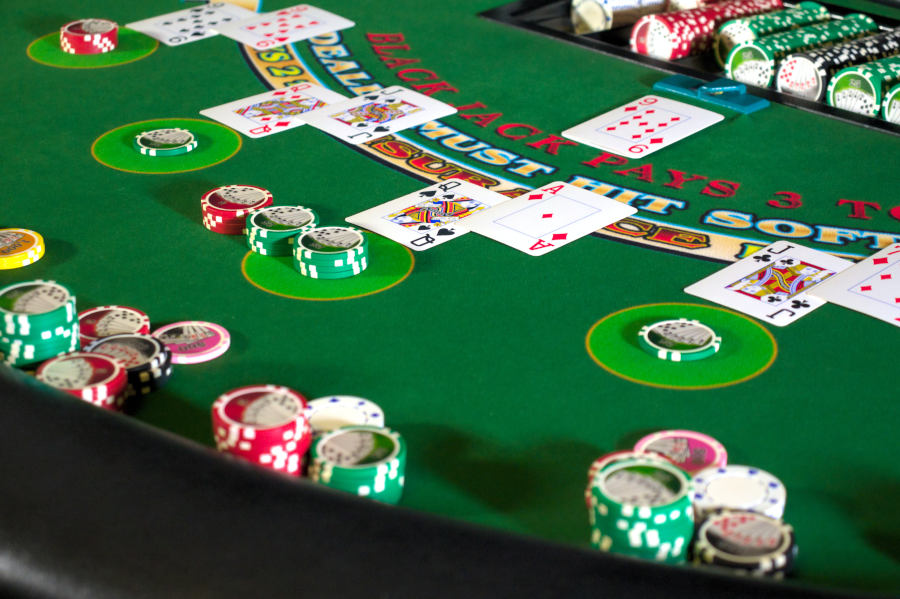
How to Use a Blackjack Payout Calculator
Learn how to use a blackjack payout calculator with simple step-by-step examples. Calculate 3:2, 6:5, insurance, and blackjack payouts accurately every time.
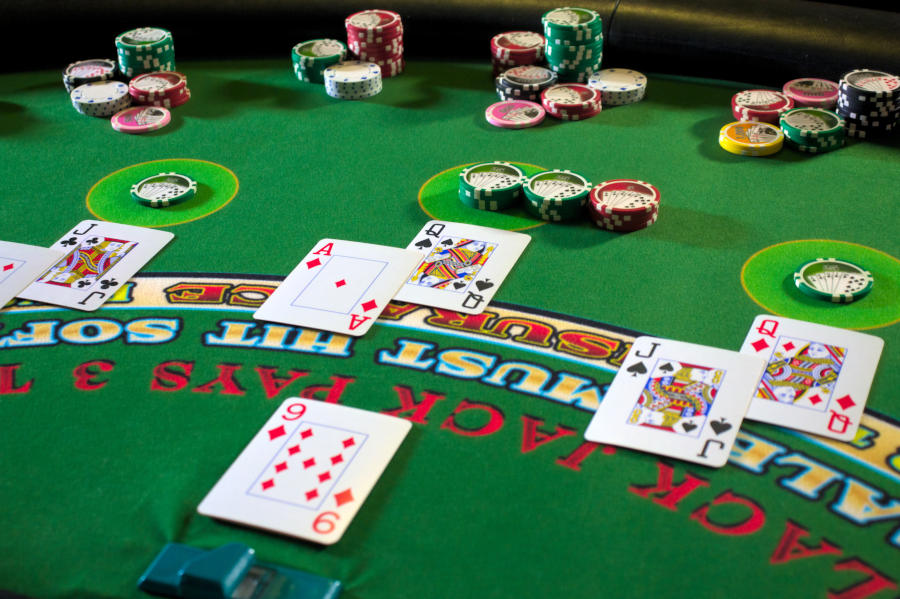
6:5 Blackjack Explained: Is It Worth Playing?
Aug 2, 2026 Daniel Odeyemi
Learn what 6:5 blackjack means, how it compares to 3:2 payouts, and why many experienced players avoid 6:5 blackjack tables.
Blackjack Hand Signals Every Player Should Know in 2026
Jul 29, 2026 Amelia Winters
Learn blackjack hand signals for hitting, standing, doubling, splitting and surrender, with clear guidance for face-up, handheld and live dealer games.