
Why Live Blackjack Is Becoming Less Like a Table and More Like a Product Flow
A blackjack table used to begin with a chair and a stack of chips. Today, the real action often starts long before the first hand is dealt. The most interesting developments in live casino gaming have little to do with cards and plenty to do with the experience built around them.
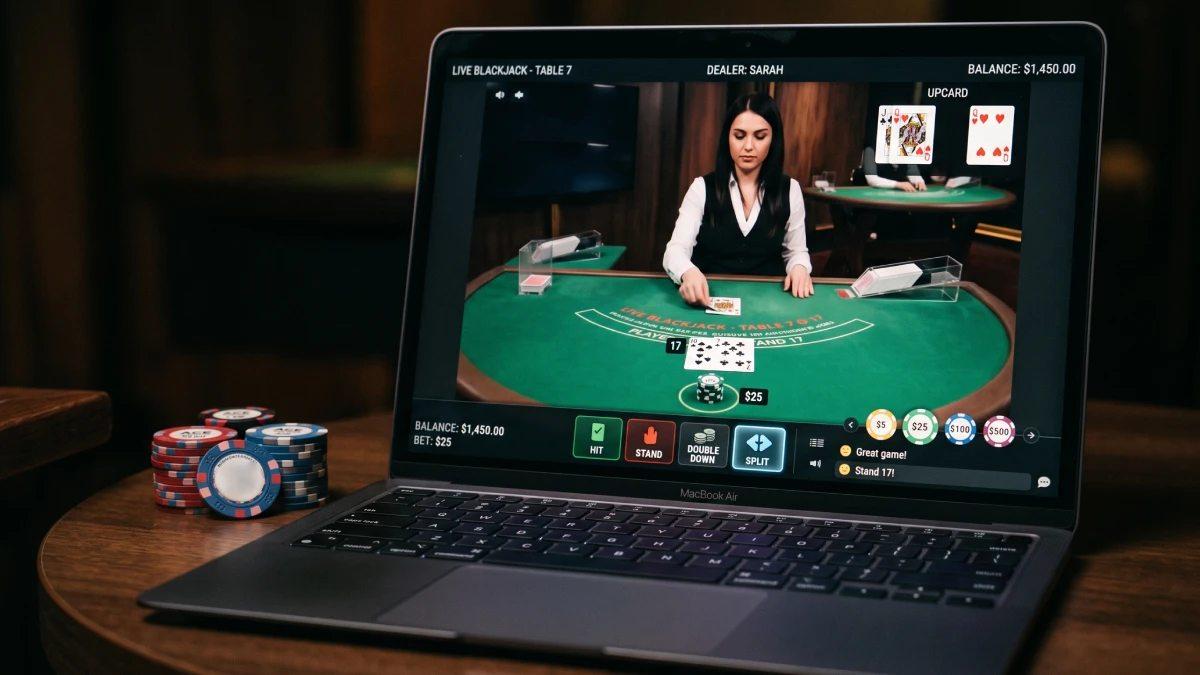
A blackjack player can now spend more time choosing a table than reaching it. Before the first card appears, there are dealer streams to browse, betting limits to compare, side-bet variations to consider, and entire live-casino lobbies built around helping players find the experience that suits them. That is a very different environment from the blackjack pit most casino veterans grew up with, and it raises an interesting question: when did live blackjack stop being a table game and start behaving like a digital product?
The cards have not changed, the rules are the same. What has changed is everything surrounding the game. Live blackjack has become part entertainment product, part streaming experience, and part user journey; operators now devote as much attention to navigation, discovery, and convenience as they do to the game itself.
The Table Is No Longer the Starting Point
Walk into a land-based casino, and the process is straightforward. Find an open seat, buy chips, and join the action. Online, the journey begins much earlier because players enter through a lobby rather than a gaming floor.
That reality becomes obvious when exploring the live dealer environment at VoltRush Casino. Instead of arriving at a single blackjack table, players enter a live section containing blackjack, roulette, baccarat, and multiple dealer-led experiences. The challenge is no longer getting somebody to the table; the challenge is helping them find the right table quickly.
This is where product thinking enters the picture. Operators increasingly organise games according to betting levels, dealer formats, and player preferences. Navigation tools help players move between experiences without constantly returning to a main menu. The objective is simple: reduce unnecessary steps between intention and action.
A traditional blackjack table only needed cards, chips, and a dealer. A modern live blackjack environment needs discovery tools, lobby architecture, mobile optimisation, and clear pathways through dozens of potential choices. The table remains the destination, but the journey leading to it has become part of the product itself.
Designers Started Looking at the Real Problem
Don Norman, former Apple Vice President, co-founder of Nielsen Norman Group, and author of The Design of Everyday Things, wrote that, "Good designers never start by trying to solve the problem given to them: they start by trying to understand what the real issues are."
That observation captures what happened to live blackjack.
The original problem appeared simple: put a blackjack table online. Early products focused heavily on reproducing the physical game. Cameras showed the dealer, cards appeared on screen, and players could place wagers remotely.
The real problem turned out to be much larger. Players needed to find suitable tables, navigate growing game libraries, switch between experiences on mobile devices, and return to preferred tables without repeating the same process every session.
| Traditional Table Thinking | Product Thinking |
|---|---|
| One table | Multiple entry points |
| Physical seating | Quick-seat systems |
| Fixed experience | Personalised navigation |
| Dealer focus | End-to-end journey |
| Single game | Live ecosystem |
Viewed through that lens, live blackjack becomes less about recreating a casino table and more about building an experience around it. The table remains central, yet designers increasingly focus on everything that happens before a player takes a seat.
Friction Became the Real Competitor
Casinos have always competed against other casinos. Digital products face a different challenge: they compete against inconvenience.
Writing for TechRadar Pro in December 2025, DigitalOcean Senior Vice President and Cloudways General Manager Suhaib Zaheer highlighted the cost of friction in digital experiences. His article noted that 61% of users abandon confusing websites within five seconds, while 22% leave when processes become overly complicated.
Those numbers come from the broader world of digital design, yet the lesson applies neatly to live blackjack.
A confusing lobby creates frustration. Poor navigation slows people down. Endless clicks create barriers between players and the experience they came to enjoy.
That is one reason modern live dealer environments place increasing emphasis on simplicity. Within the live casino section at VoltRush Casino, blackjack sits alongside roulette and baccarat inside a single dealer-led environment, allowing movement between game categories without unnecessary disruption. Product teams spend considerable effort reducing friction because every additional step creates an opportunity for somebody to leave.
The most successful digital products rarely win through complexity. They win because the path from interest to action is clear.
Live Blackjack Now Behaves More Like Streaming Media
The comparison may sound unusual at first, yet live blackjack increasingly borrows ideas from streaming platforms.
Researchers Akira Matsui, Kazuki Fujikawa, Ryo Sasaki, and Ryo Adachi examined two years of live-streaming behaviour in a September 2025 study and found that users often spend considerable time exploring options before settling into preferred experiences.
That behaviour appears throughout modern live casinos.
Players browse tables before committing. They compare betting limits. They watch dealers. They assess table occupancy. They move between options before deciding where to spend their time.
Three behaviours increasingly influence live-casino design:
- Players explore before committing.
- Players expect immediate access.
- Players move between experiences during a session.
Those habits resemble streaming platforms more than traditional casino floors. A player who enjoys one table may continue browsing rather than leaving the environment altogether.
That behavioural pattern becomes easier to understand when looking at a live dealer offering that combines blackjack, roulette, and baccarat within the same destination. At VoltRush Casino, the live section functions as an ecosystem rather than a collection of isolated tables. Discovery itself becomes part of the entertainment.
What Dealers See and What Product Teams See
A dealer views the game through one lens. Product teams view it through another.
The dealer focuses on pace, accuracy, player interaction, and game flow. Those responsibilities remain essential because live blackjack still depends on trust and professionalism.
Product teams examine different questions. Which tables attract attention? Where do players leave? Which navigation routes create unnecessary delays? Which parts of the experience encourage continued engagement?
Neither perspective is more important than the other. Both contribute to the final experience.
That combination helps explain why live blackjack continues evolving. The game itself remains familiar, yet the systems surrounding it receive constant refinement. The result is a product that blends traditional casino culture with modern digital design.
The Future Is the Journey Around the Cards
Blackjack remains blackjack. Players still chase strong hands, and dealers still work through the same familiar procedures. What changed is the space around the game.
Live blackjack now operates inside carefully designed environments where navigation, accessibility, and discovery influence the experience as much as the cards themselves. Product teams analyse behaviour, remove friction, and refine the journey because the modern live-casino experience begins long before a wager is placed.
The table remains the centrepiece. Everything surrounding it has become a product.
Gambling should remain a form of entertainment, not a source of income or a solution to financial problems. Set limits before you play, stick to a budget you can afford, and take regular breaks during longer sessions. The experience should stay enjoyable and under your control. When it stops being fun, it is time to step away.
Author Bio
David Fox is an experienced iGaming writer with a strong understanding of online casinos, sports betting and gambling regulation. He specialises in exploring the trends shaping modern wagering markets, helping readers understand the technology, culture and industry developments behind today's betting landscape.
Disclosure: This article contains sponsored content.
Enjoyed this article?
Join our newsletter to get the latest casino industry articles delivered straight to your inbox.
Related Article Archives: Live Dealer, All Articles
Related Terms & Definitions: Collection, Blackjack, Baccarat, Readers, Seconds, Action, Casino, Dealer, Inside, Limits, Player, Games, Full Dictionary
Related Posts
Inside the Eye in the Sky: What Live Casino Streams Can Teach Dealers About Game Protection
Sep 15, 2026 Chris King
Check out this article on how dealers maintain a high level of clarity and game security, what techniques they use, and how this benefits both players and the house.
Best Live Dealer Casinos 2026: Play Live Casino Games for Real Money
Apr 9, 2026 Alex Martin
We tested and ranked the best live dealer casinos for 2026 by game variety, table limits, welcome bonus value, and payment speed.
The Sound of Trust: Why High-Quality Audio Design and Real-Time Video Feeds Increase Player Trust in Live Studios
Aug 29, 2026 Dennis Farin
Discover how crystal-clear audio and real-time video are quietly reshaping player trust in live casino studios.
Casino Dealer Trade Training Expanding Curricula to Meet Live Dealer Demand
Aug 18, 2026 Gabriela Pelayes
Casino dealer training is evolving fast, blending traditional table skills with the camera-ready talents demanded by live online casinos.

The Rise of Live Dealer Blackjack Variants in Online Play
Aug 11, 2026 John Jones
Live dealer blackjack is evolving fast and knowing how new variants change the rules could give savvy players an edge.
15 Best Live Casinos in 2026: Top Live Dealer Platforms
Aug 3, 2026 Alex Martin
Compare the top live casinos for 2026, including table limits, bonus terms, and withdrawal speeds, based on real account testing.