
Casino Dealer Trade Training Expanding Curricula to Meet Live Dealer Demand
Casino dealer training programs across the United States are rethinking what it means to prepare someone for the table. The rise of streamed, camera-facing gaming has pushed operators and independent academies alike to teach skills that go far beyond shuffling and payouts. Pacing, presence, and guest engagement now sit alongside math and procedure in many syllabi.
This shift reflects where the jobs actually are. Physical casino floors still need dealers, but so do studios producing live-streamed tables for online platforms. Training providers that once focused narrowly on brick-and-mortar procedure are now building coursework that works for both environments at once.
Dealer Programs Respond to Live Dealer Growth
Casino-run training programs have become one of the clearest signals of this change. Resorts World New York City, for example, runs a tuition-free, ten-week program broken into structured phases covering an introduction to gaming, blackjack, and baccarat, followed by a live performance evaluation where management scores speed, accuracy, and table presence before extending job offers.
Live! Casino & Hotel Philadelphia introduced a similar free, six-week program in July 2026, aimed at building a pipeline of trained dealers without requiring prior gaming experience. Casino leadership described it as a route into a stable, long-term career path within the gaming industry, a framing that mirrors how operators now treat training as recruitment rather than a separate function.
New Modules Teach Streaming Etiquette and Pacing
The biggest curricular change is the addition of on-camera skills. Dealers working live-streamed tables need consistent pacing, clear verbal cues, and a composed presence that reads well through a lens, not just across a felt surface. Training providers are treating this as a distinct competency rather than an afterthought.
Vegas Gaming Academy's blackjack program illustrates the point. Its coursework covers rules, card handling, chip management, and payout accuracy. Readers comparing operators often turn to resources cataloguing the online casinos to understand which platforms prioritize this kind of trained, guest-facing service, and that expectation is increasingly shaping what dealer programs choose to teach.
Hiring Trends Among Casinos Shape Training Priorities
Employment data helps explain why training providers are moving quickly. The U.S. Bureau of Labor Statistics projects gambling dealer employment will hold roughly flat through 2034, yet the field still generates about 21,800 annual job openings industry-wide due to turnover, according to an OysterLink analysis of federal labor data. That volume of replacement hiring keeps demand for structured training high even without overall job growth.
Wage figures reinforce the incentive to train formally. Median annual pay for gambling dealers sat near $33,280 in 2024, with top earners exceeding $73,000, a spread that rewards dealers who can move fluidly between physical pits and live-streamed studio roles. Casinos investing in their own training pipelines are, in effect, competing for workers who can fill either environment.
Certification Standards Adjust for Hybrid Casino Floors
College-affiliated programs are adjusting licensing preparation to match this hybrid reality. The Richard Bland College Dealer Institute in Virginia trains students across multiple table games while building toward state gaming license eligibility, positioning graduates to audition at casinos both locally and beyond, according to details published on the college's program page. Flexible session times aimed at working adults suggest the institute is recruiting career-changers rather than newcomers to the workforce.
Taken together, these developments point to a training landscape catching up with where the gaming industry has already moved. Curricula built around multi-game proficiency, guest interaction, and licensing readiness now serve dealers headed for either a casino floor or a streaming set. As live dealer formats continue expanding, expect training providers to keep folding camera-ready skills into what used to be a purely procedural craft.
Disclosure: This article contains sponsored content.
Enjoyed this article?
Join our newsletter to get the latest casino industry articles delivered straight to your inbox.
Related Article Archives: Live Dealer, All Articles
Related Terms & Definitions: Blackjack, Audition, Baccarat, Readers, Casino, Change, Dealer, Field, Games, Shift, Chip, Fill, Full Dictionary
Related Posts
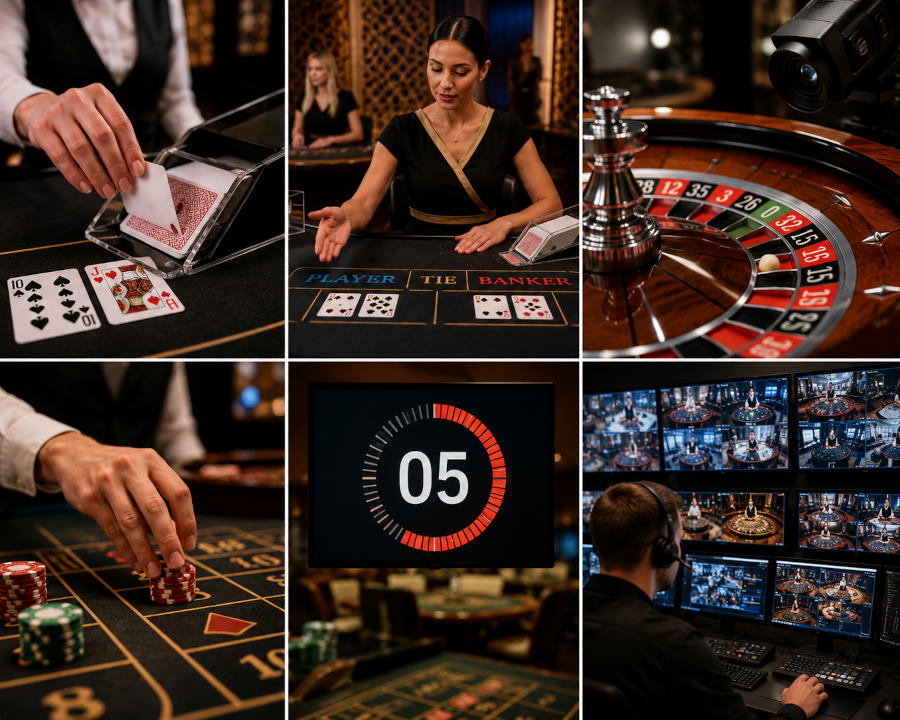
Inside the Eye in the Sky: What Live Casino Streams Can Teach Dealers About Game Protection
Sep 15, 2026 Chris King
Check out this article on how dealers maintain a high level of clarity and game security, what techniques they use, and how this benefits both players and the house.
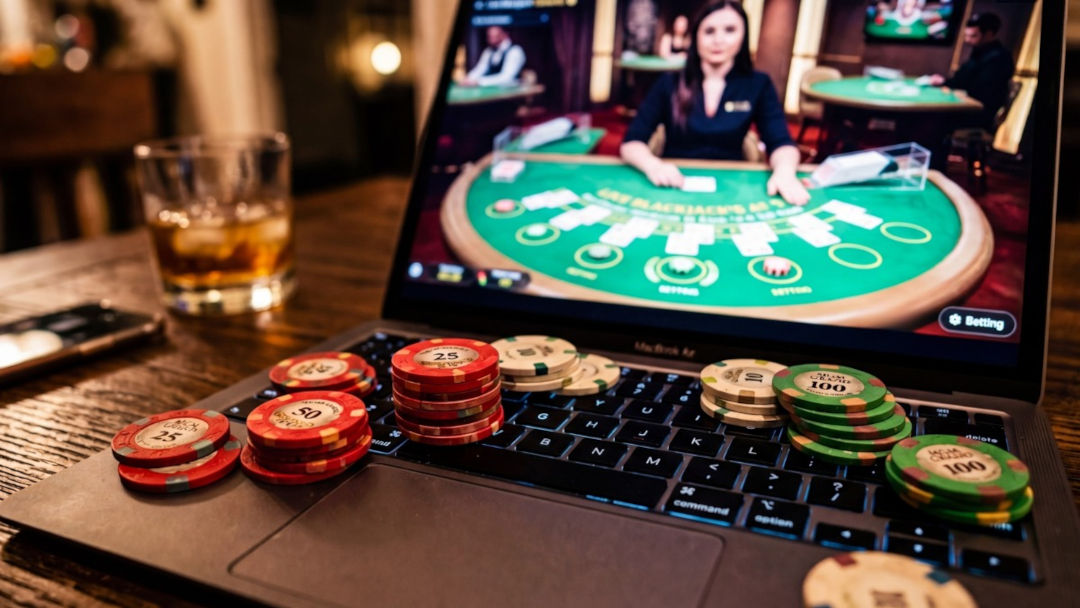
Best Live Dealer Casinos 2026: Play Live Casino Games for Real Money
Apr 9, 2026 Alex Martin
We tested and ranked the best live dealer casinos for 2026 by game variety, table limits, welcome bonus value, and payment speed.

The Sound of Trust: Why High-Quality Audio Design and Real-Time Video Feeds Increase Player Trust in Live Studios
Aug 29, 2026 Dennis Farin
Discover how crystal-clear audio and real-time video are quietly reshaping player trust in live casino studios.
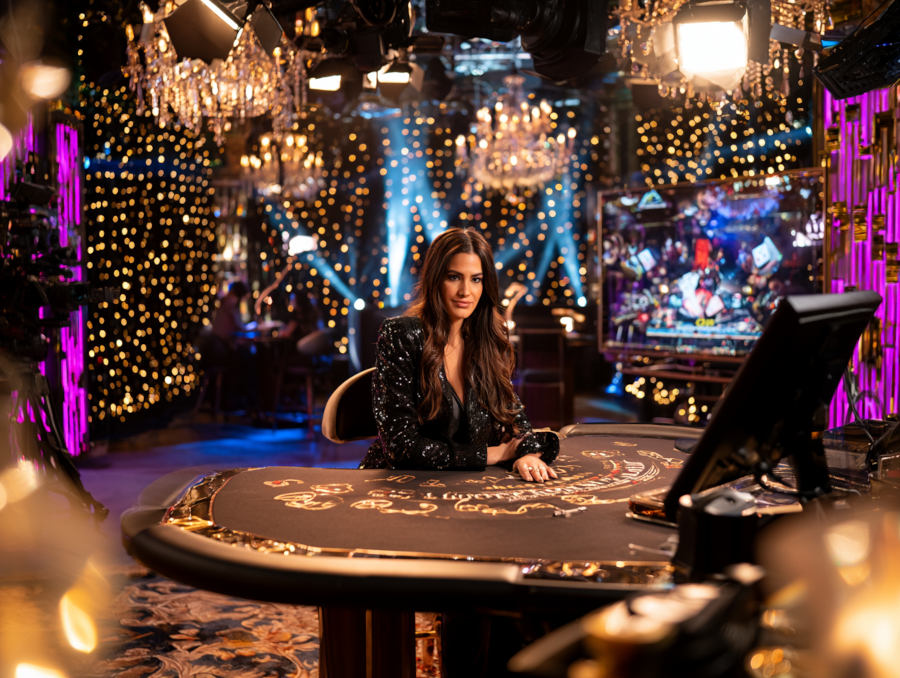
The Rise of Live Dealer Blackjack Variants in Online Play
Aug 11, 2026 John Jones
Live dealer blackjack is evolving fast and knowing how new variants change the rules could give savvy players an edge.
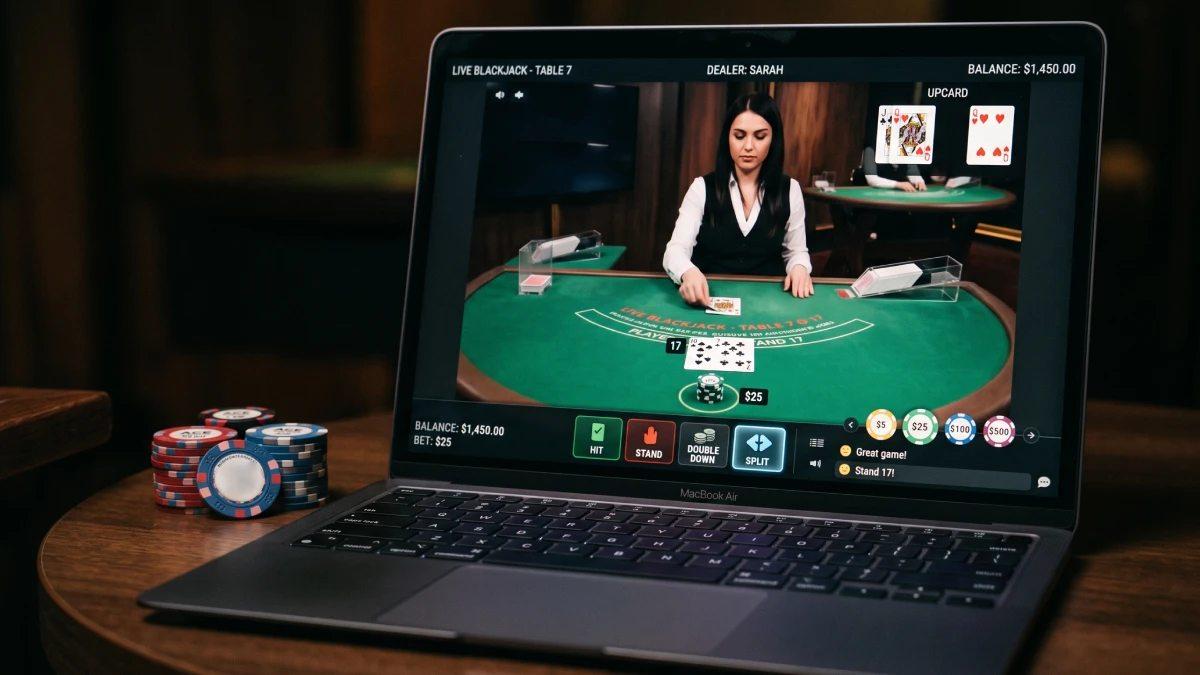
15 Best Live Casinos in 2026: Top Live Dealer Platforms
Aug 3, 2026 Alex Martin
Compare the top live casinos for 2026, including table limits, bonus terms, and withdrawal speeds, based on real account testing.

A Guide to Professional Table Game Standards and Strategy: Elevating the Kiwi Live Casino Experience
Jun 12, 2026 David Fox
New Zealand players now expect stronger dealer quality, stable mobile streaming, and polished live-table experiences from online casinos.