
A Guide to Professional Table Game Standards and Strategy: Elevating the Kiwi Live Casino Experience
New Zealand players spent years focusing mainly on bonuses or game selection when choosing an online casino. Live dealer gaming changed that conversation because poor production quality rapidly ruins table games.
Live blackjack tables used to get away with a lot more than they do now. A slow dealer, bad camera angles, or a stream that froze every few hands were annoying, but players tolerated it because online live casino gaming was still new. That patience has disappeared across New Zealand’s online casino market. Modern live tables compete on professionalism now; players expect clean dealing, smooth pacing, proper interaction, and studio production that comes close to a real casino floor instead of a clunky webcam stream.
Professional Dealers Still Control the Pace of the Table
Dealer quality still decides whether a live table keeps players sitting down for another hour or empties halfway through the second shoe. Fast hands alone do not solve the problem either because players notice hesitation, poor communication, awkward dead air, and dealers who lose control of table rhythm once chat interaction increases.
That pressure becomes more obvious on larger live casino platforms where dozens of tables compete for attention at the same time. SpinBet leans heavily into dealer-led blackjack, roulette, baccarat, and multiplayer live tables where interaction stays central to the experience instead of becoming background decoration. The platform’s live casino section focuses strongly on real-time dealers, mobile compatibility, and studio presentation because modern players judge table quality almost immediately after joining.
A clean table setup carries more weight than flashy design. Audio delays irritate players quickly; bad lighting makes card recognition harder on mobile devices; dealers who constantly pause between actions slow the entire session down. Experienced players pick up those problems within minutes.
Kiwi Players Expect Higher Standards From Online Casinos
The New Zealand government is preparing to introduce a regulated online casino framework during 2026, and that change is pushing more attention toward operational standards across the industry. The country's new Online Casino Gambling Act will introduce a licensing system capped at 15 operators, replacing a largely unregulated offshore market with a formal regulatory framework designed around consumer protection, compliance, and harm minimisation.
The Gambling Act was written long before live dealer studios, mobile casino streaming, and offshore online operators became part of everyday gambling behaviour in New Zealand. Most of the legislation focused on physical venues such as casinos, pubs, and gaming machines because modern online casino ecosystems barely existed when the framework was introduced. Regulators now face a market where thousands of New Zealand players access international live tables every day through offshore platforms operating completely outside traditional domestic casino structures.
Current market figures explain why regulators have become more active. Industry reporting published by Focus Gaming News during 2025 estimated New Zealand’s online gambling spend had moved beyond NZD 100 million per month, with roughly 360,000 active online gambling customers already participating across offshore casino products.
| Market Metric | Figure |
|---|---|
| NZ online casino market value (2024) | USD 267.6 million |
| Forecast market value (2030) | USD 584.5 million |
| Estimated active online gamblers | 360,000 |
| Monthly online gambling spend | NZD 100 million+ |
| Forecast annual growth rate | 14% CAGR |
Professional live tables sit directly inside that discussion because regulators are not only looking at revenue. Studio quality, player protections, transaction security, and responsible gambling systems all become part of the broader conversation once a market moves toward formal licensing, and SpinBet has made all those criteria a priority in their casino design.
Small Technical Problems Ruin Live Tables
Players hardly ever leave a good live table because of one major disaster. Most of the damage comes from small problems stacking up. One lag spike becomes two, or card recognition takes slightly too long, and the dealer starts repeating themselves because the audio cuts in and out and within ten minutes nobody wants to be there anymore.
That operational side of live gaming has become increasingly competitive. Jens von Bahr, CEO of Evolution, remarked, “We have only just scratched the surface of what the live dealer platform can offer.” The comment reflects how aggressively live casino providers continue to invest in studio production, dealer training, and streaming infrastructure, as players no longer separate technical quality from gambling quality.
Game providers now operate large studio environments built specifically for live dealer production instead of adapting traditional casino floors for webcams. Multiple camera feeds, dynamic table angles, faster card recognition systems, and cleaner mobile streaming have become standard expectations rather than luxury additions.
SpinBet appears inside that same ecosystem because modern live casino audiences expect a professional presentation before they even begin evaluating bonuses or promotions.
Mobile Play Has Changed Dealer Expectations Completely
Mobile gaming changed dealer behaviour more than most people expected. Players joining blackjack tables from phones do not tolerate long pauses anymore because distractions arrive constantly during mobile sessions. Somebody watching sport on television can switch tables within seconds; somebody sitting on a train can leave halfway through a slow roulette wheel spin without thinking twice about it.
Mordor Intelligence’s 2025 gaming market analysis projected the global gaming market would reach USD 269.06 billion during 2025, driven heavily by mobile gaming expansion and live-service digital entertainment. Online casinos followed the same direction because mobile players now represent a massive percentage of live-table traffic across Australia and New Zealand.
Five Standards Experienced Players Notice Immediately
Experienced live-table players notice operational quality almost instantly. Most regular blackjack or baccarat players make decisions about a table within the first few hands.
- Dealers who control the pace confidently without rushing players
- Clear audio that does not force players to replay conversations
- Camera angles that keep cards and chips visible at all times
- Fast transitions between hands without awkward pauses
- Stable mobile streaming during longer sessions
Those details sound minor individually, but they directly affect whether players stay engaged. Live casino gaming now competes against streaming services and mobile entertainment for attention; weak production standards lose that competition quickly, underscoring the need for investing in broadcast-quality infrastructure.
New Zealand’s Live Casino Market Is Becoming More Demanding
New Zealand’s online casino audience is becoming more selective because the market itself has become far more crowded. Players now move between multiple live dealer tables during a single session, and that behaviour punishes operators running weak studio environments or inconsistent dealer standards.
The next stage of market growth probably pushes those standards even higher once regulation becomes formalised during 2026. Cleaner operations, better player protections, stronger streaming infrastructure, and more professional dealer environments will likely become normal expectations rather than premium selling points.
Another pressure point comes from regulation itself. Licensed markets usually push operators toward higher technical standards because poor table management creates compliance problems once formal oversight enters the picture. Dealers need cleaner procedures, and operators need stronger monitoring systems. New Zealand’s 2026 framework will probably accelerate that process across the wider live casino market instead of slowing it down.
The bottom line is modern audiences are demanding more. Players have the option of choice now, and casinos need to step up to meet the expectations of their players. The tech and the infrastructure is available, and top casinos will get ahead while those who cannot come up the mast will be left behind.
Gambling should remain a form of entertainment, not a way to make money. Gambling is for entertainment purposes only and is not a reliable way to make money. You must be 18 or older to participate in any form of gambling.
Author: David Fox
David Fox is an experienced iGaming specialist with deep knowledge of online casinos, licensing standards, and player-focused platforms. His background in sales and affiliate partnerships gives him a unique understanding of how operators work behind the scenes. David delivers clear, reliable insights that help readers navigate the gambling world confidently.
Disclosure: This article contains sponsored content.
Enjoyed this article?
Join our newsletter to get the latest casino industry articles delivered straight to your inbox.
Related Article Archives: World, Live Dealer, All Articles
Related Terms & Definitions: Percentage, Blackjack, Baccarat, Outside, Readers, Seconds, Capped, Casino, Change, Dealer, Inside, Option, Full Dictionary
Related Posts

Live Casino Australia: The Modern Landscape of Live Dealer Gaming
Jul 9, 2026 Gabriela Pelayes
Discover how live casino Australia is raising the bar with expert dealers, cutting-edge technology, and immersive real-time gaming experiences.
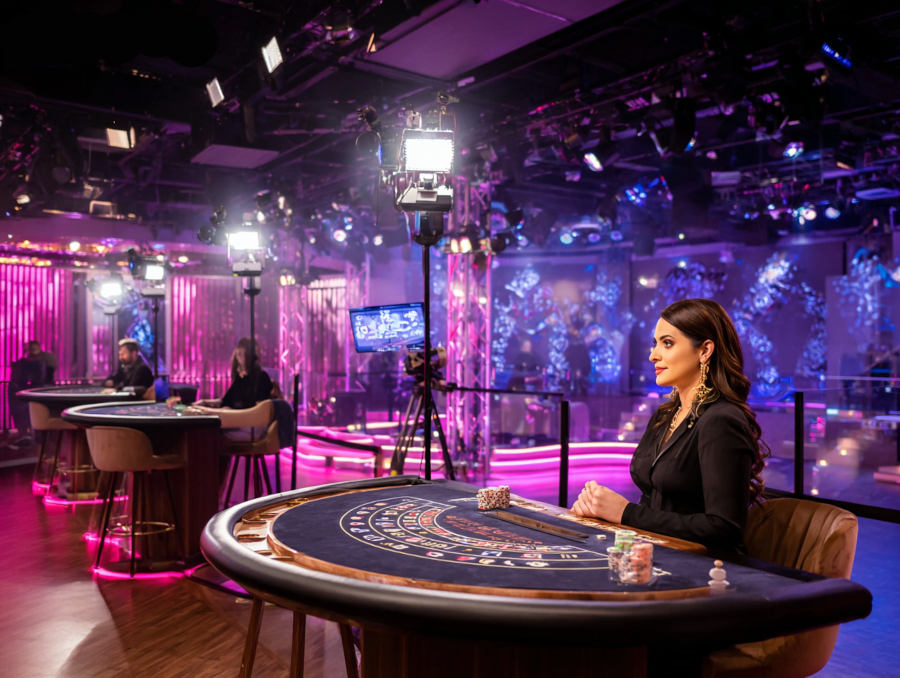
Live Dealer Suppliers Have an Early New Zealand Demand Test in the July EOI Window
Jul 9, 2026 Gabriela Pelayes
New Zealand's new casino licensing race could reveal tomorrow's biggest live dealer winners before the market even launches.

Elevating the Kiwi Live Casino Experience: A Guide to Professional Table Game Standards and Strategy
Jun 12, 2026 David Fox
Live blackjack and roulette depend on more than tech. Dealer standards, trust, and table management continue driving the New Zealand live casino experience.
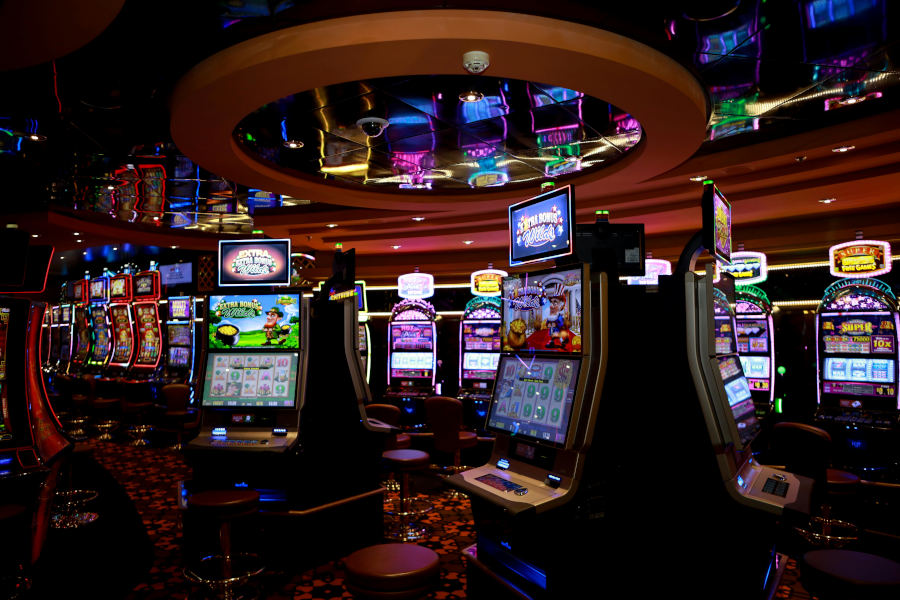
Bringing the Strip to Sydney: Why Live Dealer Games are Dominating the Australian Online Experience
Jun 12, 2026 David Fox
Live dealer games have come to dominate casinos around the world. Bringing a fresh take on new classics and inventing their own genre, they are proving popular with Australian players.
From Casino Directories to Digital Lobbies: How Casino Discovery is Evolving Across the US and Denmark
Sep 28, 2026 Gabriela Pelayes
Casino discovery now starts with search pages, comparison sites and mobile lobbies. The article explains how regulation and access shape choices in the US and Denmark.
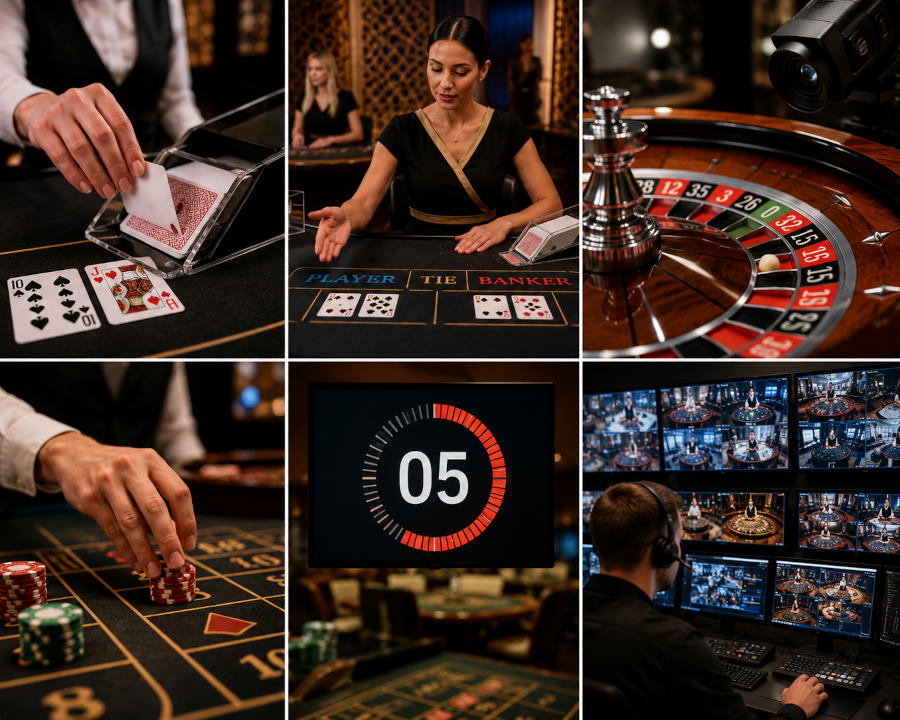
Inside the Eye in the Sky: What Live Casino Streams Can Teach Dealers About Game Protection
Sep 15, 2026 Chris King
Check out this article on how dealers maintain a high level of clarity and game security, what techniques they use, and how this benefits both players and the house.
Table of Contents
- # Back to Top
- Professional Dealers Still Control the Pace of the Table
- Kiwi Players Expect Higher Standards From Online Casinos
- Small Technical Problems Ruin Live Tables
- Mobile Play Has Changed Dealer Expectations Completely
- Five Standards Experienced Players Notice Immediately
- New Zealand’s Live Casino Market Is Becoming More Demanding