
Poker Advice I Wish I Knew at 25
If I had a time machine, I would probably use it to go back and give myself some poker advice I wish I knew at 25.
Because the road to greatness is a slog. There are no shortcuts to getting good at this game, and what you often figure out is that there is no easy money either.
However, you can improve in some areas that will have a big impact long term on how you finish each one of your sessions. That’s why I’m going to give you some poker advice I wish I had a new way back when I started playing and taking the game more seriously.
Stop Bluffing Bad Players
This one is kind of hilarious. But the thing is most of us start playing the lower stake games when we get started with poker. When you play the lower stake games bluffing doesn’t really work. The problem is that these players are already bad and more recreational type. So, if you try and bluff them, they have no issue calling you down with second or third pair.
Also, I’m not saying you shouldn’t bluff because eventually you need too. But bluffing works a lot better when you move up in stakes and there is more money involved. I wouldn’t recommend doing it though at the lower games against bad players. This alone can save you a lot of money and heart ache when you finally get it.
Consistency Beats Big Scores
I think a lot of us look at the glamour and massive paydays when it comes to poker tournaments. Obviously playing in tournaments can be fun but I would mainly stick with cash games in the beginning. This is because most of the money you make from playing poker will come from small wins playing cash games. And these small wins compound a lot faster than you think.
Another thing about small wins is that discipline creates long term profit. Too many people attempt buying into tournaments thinking that maybe it will be their time. Well, it probably won’t be your time anytime soon so stick with cash games for consistent profits.
Getting Emotional After a Big Loss
I mean this is another big one. At some point you must become numb to the losses and accept that variance is going to happen. Your pocket aces are going to lose to someone going all in with pocket tens pre flop only to see a ten hit the turn. In these moments you have two options. First, accept that you just got sucked out and continue playing well, or option number two, let it ruin you.
If you look at any professional poker player and the way they approach these moments, it’s almost always with grace. They don’t start revenge playing out of frustration. They understand these things are a part of the game which is what makes all this fun. Lesson number one is that you need to become to variance.
Fold More Hands Preflop
Yea this is another silent poker dream killer. The reality is that you can go on long stretches of having bad hands. I’m saying the best hand you might see sometimes for an hour, and a half is 98 suited. When this happens and believe me it will you might be tempted to start playing garbage out of position just because you’re bored. If you do this too much or too often it will slowly become a bankroll killer and hurt your ROI over the long term. So, try and not play garbage hands out of boredom. You can thank me later.
Table Selection Matters
One of the biggest poker lessons I wish I understood earlier is that table selection matters more than skill for most players. When I was younger, I thought sitting with strong regulars would somehow force me to improve faster. Instead, I spent countless sessions battling good players while ignoring easier opportunities sitting at other tables. The truth is poker becomes much easier when you consistently play against weaker competition. Even small differences in table quality can completely change your results over time. I eventually started using resources like Pokerstacked to compare softer games and find better places to play online.
But a lot of winning poker is simply putting yourself in profitable situations. Recreational players make more mistakes, call too often, and usually play emotionally after losing pots. Strong regulars rarely give away easy money. Once I stopped chasing ego battles and started focusing on softer games, my bankroll swings became smaller and my confidence improved. Even if you eventually try moving up in stakes it’s important to understand that players will get better. I would recommend playing around 10,000 to 20,000 hands at that stake you’re moving up to so you can figure out if it’s worth playing or not. Sometimes staying at a level you’re consistently winning at is better long-term play for the sake of making consistent money.
Final Thoughts
In your twenties you will make mistakes playing poker. There is no way around that. But if you don’t eventually learn from the mistakes you’re making then you can’t improve and tweak your game overtime. If you just combine some of the things I’ve laid out in this update, I can promise you that things will get easier. But you also must be willing to improve and understand that this whole thing is a process. Please understand what I’m saying.
I also think too many new and young players are too hard on themselves when you should just practice patience and keep things in perspective. And that perspective is that poker is going to be around long after you hit 30 or 40 years old. There are always ways to improve on and off the table, so my advice is don’t stop. Keep going and eventually you can make it to the higher limit tables and possibly become one of the greatest. Only time will tell.
Disclosure: This article contains sponsored content.
Enjoyed this article?
Join our newsletter to get the latest casino industry articles delivered straight to your inbox.
Related Posts

Poker Cheat Sheet for New Players: Essential Hands, Rules, Odds, and Strategies
Sep 25, 2026 Leiya Solis
A practical poker cheat sheet covering Texas Hold'em hand rankings, starting hands, table positions, outs, pot odds, betting actions and essential beginner strategy.
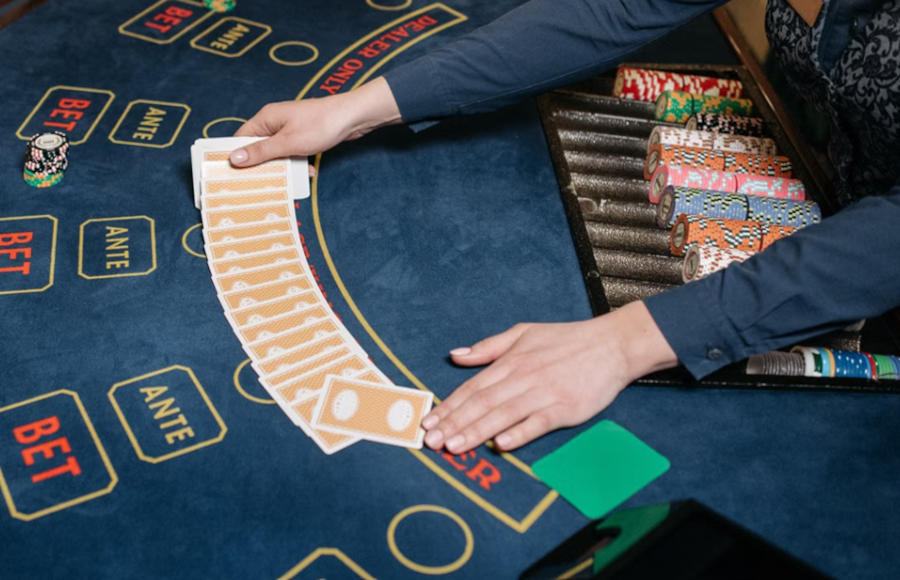
Could You Pass a Poker Dealer Audition If You’ve Only Ever Played Online?
Sep 14, 2026 Jamie Gilchrist
Online poker teaches you the game, but discover what it really takes to command the dealer’s chair.

Why The Speed Of A Poker Game Transforms The Dynamic
Sep 8, 2026 Alice Oziran
Discover how poker’s pace can reshape strategy, pressure, player psychology, and the entire dynamic of the game.
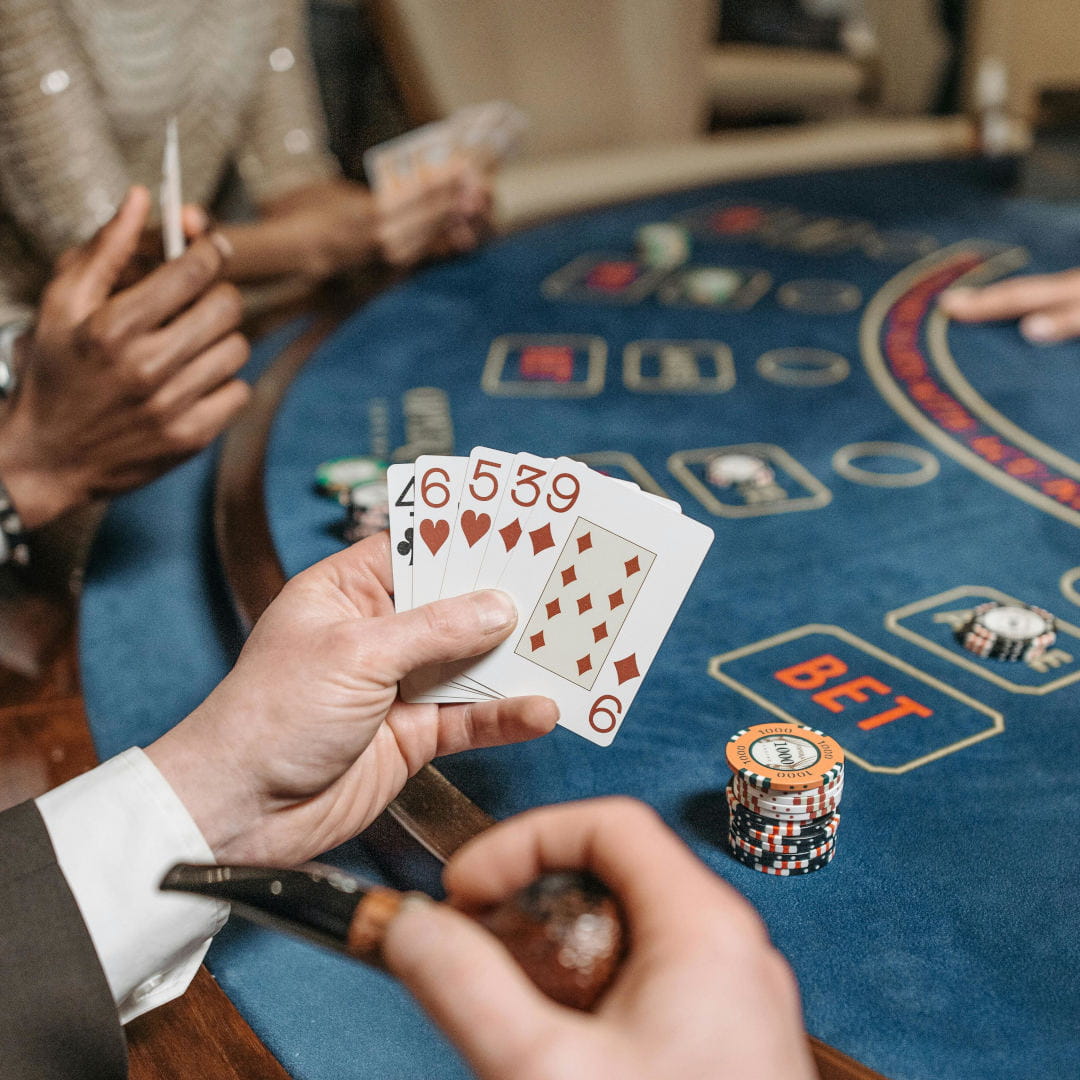
New Strategies Changing How Poker Is Played
Feb 27, 2026 Gabriela Pelayes
Online growth and analytics tools are reshaping poker strategies, speeding play and transforming decision-making worldwide.

What Makes Poker a Skill Game
Feb 17, 2026 Daniel Odeyemi
Discover what makes poker a skill game. Learn how probability, psychology, strategy, and bankroll management outweigh luck over the long run.
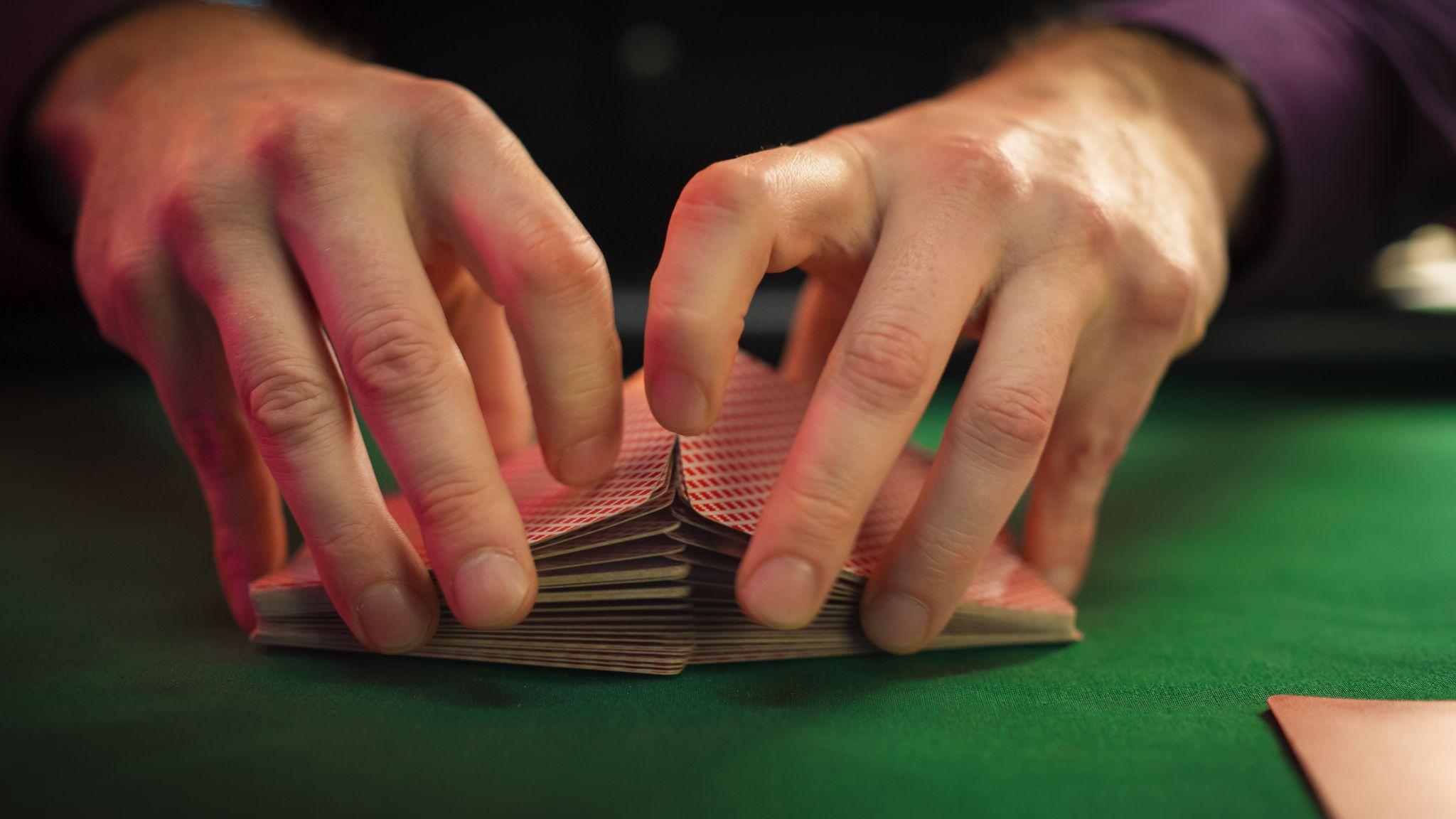
Top Poker Mistakes Beginners Make and How to Improve
Jan 30, 2026 Andy Brams
Learn the most common beginner poker mistakes and how strong early habits improve structure, clarity, and confidence for beginner players.