What Makes Poker a Skill Game
Poker is one of the most respected casino card games because it blends luck with long-term strategic decision-making. While the cards you are dealt involve chance, what separates winning players from losing players is how they respond to those cards.
Unlike most casino games where players compete against the house, poker players compete against each other. Over time, consistent winners emerge — and that consistency is proof that poker is a skill game.
This article explains the key reasons poker is considered a game of skill rather than pure luck.
Five Reasons Why Poker Is a Skill Game
In 2012, a federal judge in New York ruled that Texas Hold’em poker is predominantly a game of skill. In 2025, Thailand officially recognized poker as a sport, further reinforcing the argument that skill plays a critical role in the game.
Here are five reasons poker is widely considered a skill-based game.
1. Probability and Mathematics
Successful poker players rely heavily on math.
Rather than hoping for the right card, skilled players calculate:
Pot Odds
The ratio between the current size of the pot and the cost of a contemplated call.
Expected Value (EV)
A measure of how profitable a decision is over the long run.
- Positive EV: Profitable long term
- Negative EV: Losing long term
- Zero EV: Break-even decision
Professional players consistently make positive expected value decisions. Even if they lose a single hand, math ensures they win over time.
2. Position and Information Management
Poker is a game of incomplete information. Players must make decisions without knowing exactly what their opponents hold.
There are several key table positions, including:
- Button
- Small Blind
- Big Blind
- Under the Gun (UTG)
- Lojack
- Hijack
- Cutoff
Players who act later in the betting round have more information available. Skilled players use this positional advantage to adjust their strategy, estimate opponents’ hand ranges, and decide when to fold, call, or raise.
3. The Psychological Edge
Poker involves direct competition between players.
Bluffing, reading betting patterns, recognizing emotional behavior, and controlling one’s own reactions all require psychological discipline.
Strong players:
- Observe opponents carefully
- Recognize patterns
- Avoid “tilt” (emotional decision-making)
- Use strategic aggression
Psychology plays a major role in long-term profitability.
4. Game Theory Optimal (GTO) Strategy
Modern poker strategy includes Game Theory Optimal (GTO) concepts.
GTO strategy uses mathematical models to determine balanced play that cannot be easily exploited. It evaluates:
- Hand ranges
- Bet sizing
- Board textures
- Opponent tendencies
The fact that poker strategy can be studied using advanced mathematical modeling further proves it is a skill-based game.
5. Bankroll Management
Variance is unavoidable in poker. Even the best players experience losing streaks.
Bankroll management requires discipline and long-term thinking. Skilled players:
- Set limits
- Avoid playing above their bankroll
- Know when to leave the table
- Manage risk responsibly
Without bankroll discipline, even a mathematically strong player can go broke.
Skill vs Luck in Poker
Luck determines short-term outcomes. Skill determines long-term results.
If poker were purely luck-based, the same players would not consistently win tournaments or maintain profitable records year after year. The presence of professional players with documented long-term success demonstrates that skill dominates over time.
Final Thoughts
Poker begins with random cards, but it is shaped by decisions. Probability, psychology, position, game theory, and bankroll management all require study and discipline.
While luck may decide a single hand, skill determines who profits in the long run.
If you want to improve your poker knowledge, explore our free courses and guides at Vegas-Aces.
Enjoyed this article?
Join our newsletter to get the latest casino industry articles delivered straight to your inbox.
Related Free Learning Hubs: Poker, All Hubs
Related Terms & Definitions: Expected Value, Betting Round, Under the Gun, Small Blind, Big Blind, Bankroll, Position, Button, Casino, Limits, Player, Blind, Full Dictionary
Related Posts

Poker Cheat Sheet for New Players: Essential Hands, Rules, Odds, and Strategies
Sep 25, 2026 Leiya Solis
A practical poker cheat sheet covering Texas Hold'em hand rankings, starting hands, table positions, outs, pot odds, betting actions and essential beginner strategy.
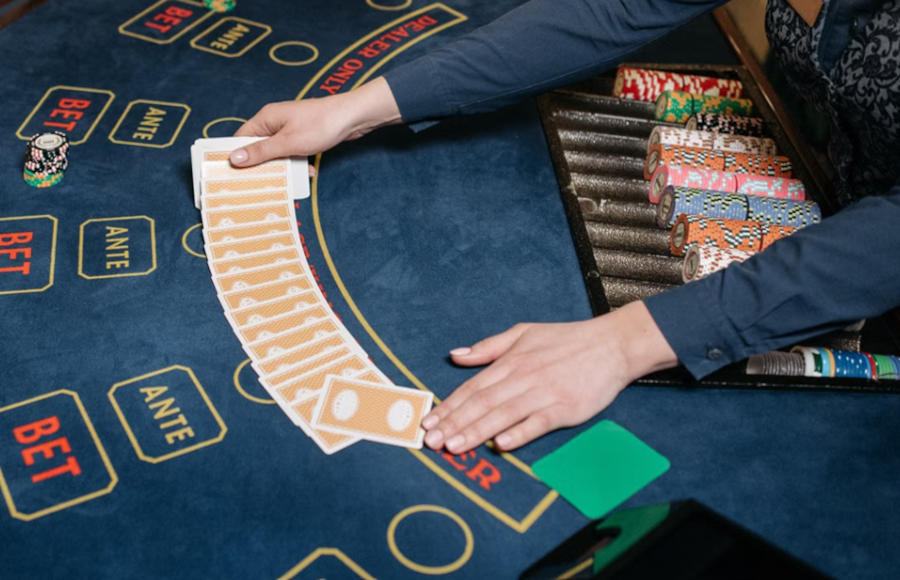
Could You Pass a Poker Dealer Audition If You’ve Only Ever Played Online?
Sep 14, 2026 Jamie Gilchrist
Online poker teaches you the game, but discover what it really takes to command the dealer’s chair.
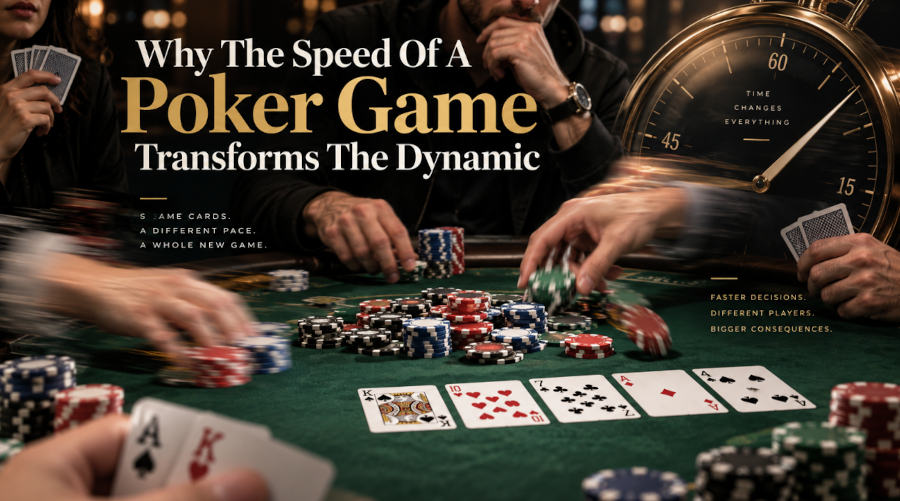
Why The Speed Of A Poker Game Transforms The Dynamic
Sep 8, 2026 Alice Oziran
Discover how poker’s pace can reshape strategy, pressure, player psychology, and the entire dynamic of the game.
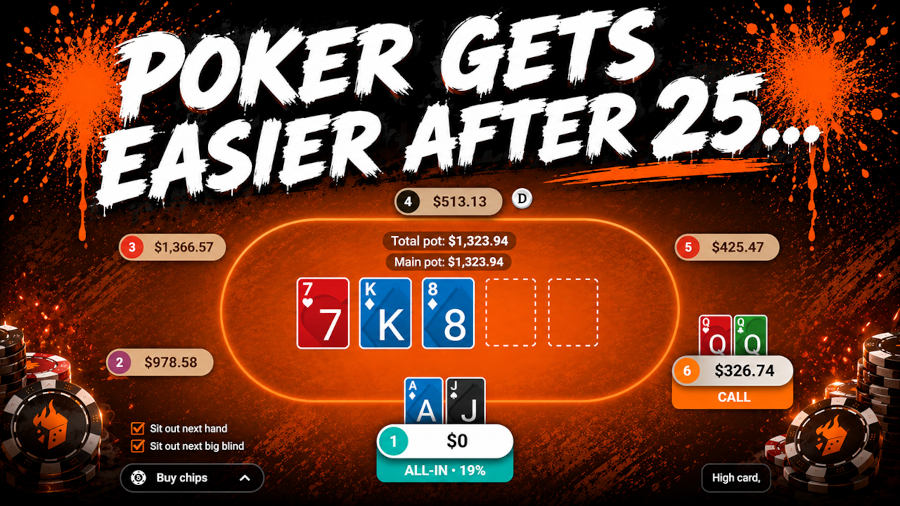
Poker Advice I Wish I Knew at 25
May 27, 2026 Edward Paoletti
This article shares practical poker lessons on discipline, patience, table selection, and avoiding emotional decisions to improve long-term profits.
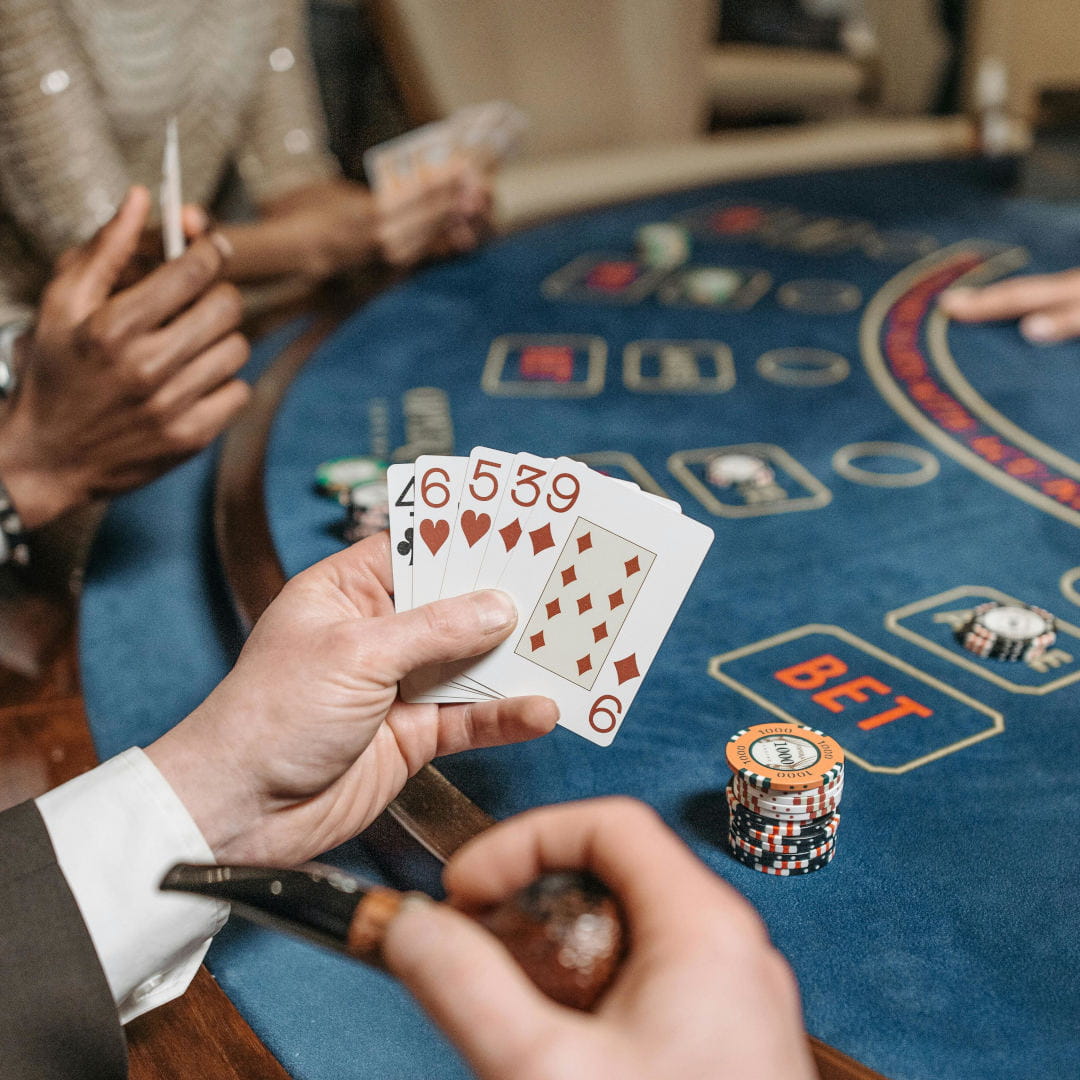
New Strategies Changing How Poker Is Played
Feb 27, 2026 Gabriela Pelayes
Online growth and analytics tools are reshaping poker strategies, speeding play and transforming decision-making worldwide.
Top Poker Mistakes Beginners Make and How to Improve
Jan 30, 2026 Andy Brams
Learn the most common beginner poker mistakes and how strong early habits improve structure, clarity, and confidence for beginner players.