
From Vegas to Your Screen: How Online Casinos Recreate the Classic Experience
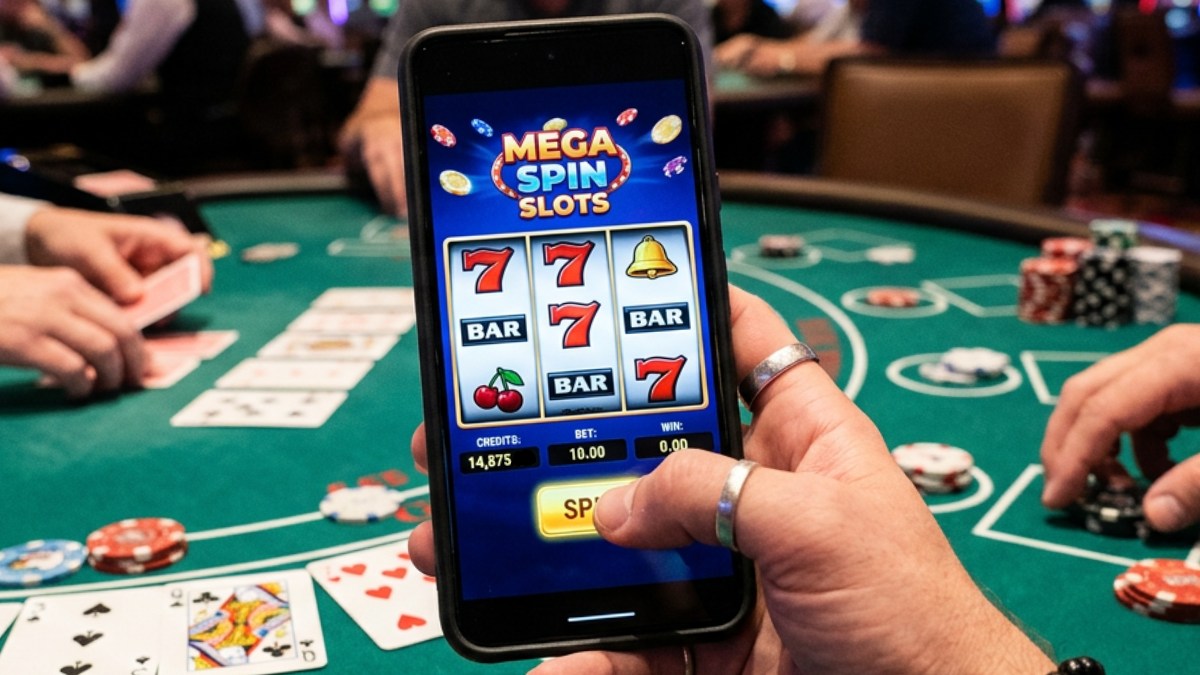
A casino floor is not an accident. Every element of the classic Vegas experience, from the layout of the pit to the weight of a chip to the dealer's procedures, was refined over a century into a machine for delivering a very specific feeling. When gambling moved online, that machine had to be rebuilt piece by piece for a screen, and the story of how each piece made the trip says a lot about what the experience actually is.
Anyone who has worked a table or studied the craft can trace the translations directly. Open a modern platform like MrBit RO and the whole floor is there in miniature: table games, slots, a live pit with human dealers, a cashier's cage reduced to a balance in the corner of the screen. Some pieces survived the move intact. Some changed beyond recognition. And a few never made the trip at all.
The Pit Becomes the Lobby
On a physical floor, geography does the marketing: slots by the entrance, table games deeper in, high-limit rooms tucked away with better carpet. The layout is a designed journey, and every dealer knows the traffic patterns it creates.
Online, the lobby's category tiles inherited that job. Featured games occupy the digital equivalent of prime floor space, the live section sits where the pit used to be, and the search bar replaced the long walk. What changed is who controls the route. A floor walks you past temptations on the way to your game; a lobby takes you straight where you asked to go. That single difference, the death of the detour, is quietly one of the biggest behavioral shifts in the whole transition.
The Dealer Survived the Transition
For years, the assumption was that software had made the dealer extinct online. Then live studios proved the opposite: the dealer turned out to be the one element players missed most, and the industry rebuilt entire broadcast facilities to bring the position back.
The craft translated with surprising fidelity. Live studio dealers are trained in the same fundamentals any break-in dealer would recognize: clean pitches and precise card placement, exact procedures for every payout, game protection habits, and the pattern that keeps a table warm. The differences are contextual. The audience is a chat window instead of seven faces, the toke became an on-screen tipping button, and a shift means dealing to hundreds of screens at once under more cameras than any pit boss ever commanded. But watch a good live dealer work a shoe and you are watching the same trade, relocated.
The Eye in the Sky Went Digital
Classic casino integrity rested on surveillance: cameras above every table, procedures designed so that any deviation is visible, and a regulator behind it all. Online play needed a replacement for trust you could see, and it built a layered one.
For software games, the surveillance moved into mathematics: certified random number generators, audited by independent test labs, with rules and return percentages published inside every game. For live tables, the cameras came back literally, multiple angles on every deal, with the added twist that now the players are the surveillance, watching every card in high definition. Institutions that study the industry, including the academic gaming research centers at universities like UNLV, have documented how this shift moved casino trust from architecture to auditing. Different mechanism, same job.
Chips, Credits and the Feel of Money
Here is the translation every dealer thinks about. Chips exist partly to make money abstract: clay feels like game equipment. A digital balance abstracts one step further, reducing the bankroll to a number in a corner.
The classic floor countered abstraction with physical ritual, coloring up, racking chips, and the walk to the cage. Online platforms counter it with tools instead: deposit limits, session clocks, reality checks and loss summaries, available in the account settings of any licensed site. The honest advice is the same in both worlds, translated for the medium. On the floor, you decide your buy-in before you sit. On the screen, you set the limits before you play, and you let the software hold the line the chips used to draw.
What Never Made the Trip
Some things stayed in Vegas. The roar of a craps table on a heater has no digital equivalent, and neither does the peculiar energy of a floor at 2 a.m., the comped drinks, or the theater of a high-limit room. Online play traded all of that for its own advantages: every game always open, stakes that scale from pennies upward, no travel between you and a perfect-rules table, and a pace you largely control.
Neither version is the "real" one anymore. They are two performances of the same script, and knowing what each stage does best is how a player, or a dealer choosing where to build a career, gets the most from both.
The Craft Behind the Screen
The classic casino experience turned out to be portable because it was never really about the building. It was about procedures, fairness made visible, and the human rhythm of a well-run game, and all three found new homes online. For players, the practical lesson is to look for exactly those things on any platform: published rules, certified fairness, professional live tables and real limit-setting tools. That checklist is the Vegas floor, folded into a screen.
Casino games are intended for adults of legal gambling age in their jurisdiction, 18 or 21 and over depending on where you live. Please play responsibly.
Disclosure: This article contains sponsored content.
Enjoyed this article?
Join our newsletter to get the latest casino industry articles delivered straight to your inbox.
Related Article Archives: Online Casinos, All Articles
Related Terms & Definitions: Break-in Dealer, Bankroll, Break-in, Position, Straight, Counter, Button, Casino, Corner, Dealer, Layout, Limits, Full Dictionary
Related Posts
Best Online Casino Bonuses: Sign-up Promos in 2026
Mar 26, 2026 Alex Martin
The best online casino bonuses are offered to players who play at top casinos. Find welcome promos and free spins worth claiming.

Best Credit Card Casinos 2026: 15 Sites That Accept Credit Cards
Jul 7, 2025 Alex Martin
Compare 15 credit card casinos for 2026 ranked by acceptance rates, low fees, bonuses, fast deposits and withdrawals, and top games.

Free Spins Under the UK’s 10x Cap: What 100 Spins Is Actually Worth in 2026
Oct 14, 2026 Ilia Gelenidze
Are 100 free spins really worth it? Discover how the UK's new 10x wagering cap changes everything!

Best No Deposit Bonuses at Online Casinos for Players in 2026
Apr 11, 2026 Alex Martin
We compared the real top 15 no deposit offers and deposit welcome bonuses at top casinos, with rollovers, caps, and game rules explained.

What Professional Casino Dealers Can Teach You About Online Gambling
Oct 12, 2026 Mark Ford
Discover the secrets casino dealers know about online gambling, from avoiding costly mistakes to mastering smarter betting decisions.

Corporate Group, Shared Platform or Loyalty Network? How to Tell What Really Connects Two Casinos
Oct 8, 2026 Ilia Gelenidze
Are two casinos really sisters? Discover the surprising differences between shared ownership, platforms, and loyalty networks.