
Five Poker Gambling Formats with Unusual Mechanics
Standard Hold’em uses two hole cards and one board, but mixed formats go further. Big O adds a fifth private card. Double Board Bomb Pots create two boards. Drawmaha combines Omaha with a draw hand, while Dealer’s Choice and 8-Game change the discipline itself. Anyone browsing poker through 1x bet should check the rules, because familiar rankings may work differently. This review compares cards, boards, hand construction, pot division and rotation.
Big O Makes Every Card Interact
Big O is commonly five-card Omaha Hi-Lo Eight or Better. Each player receives five hole cards, but must use exactly two private cards and exactly three cards from one five-card board. The high half follows standard rankings. The low half needs five unpaired cards ranked eight or lower.
The pot is divided between the strongest high and qualifying low. One player may win both halves, while no qualifying low gives the whole pot to the high hand. Extra cards create more draws and second-best combinations, so both halves need attention.
Double Board Bomb Pots Split Attention
A Double Board Bomb Pot usually starts with every participant posting a fixed amount, removing the usual preflop round. Two flops, two turns and two rivers are dealt. In a PLO version, players receive four hole cards and use two with three from each board.
When accessing tables through 1xbet mobile, players should confirm whether Hold’em or Omaha construction rules apply. The pot is split, with one half awarded on each board. Winning both boards creates a scoop, while a tie can produce quartered shares.
A strong draw on one board may offer little on the other. Betting heavily with half secured can become expensive.
Drawmaha Combines Two Showdowns
Drawmaha deals five private cards and uses one Omaha board. After the flop, betting players get one draw and may replace cards. At showdown, half the pot goes to the strongest five-card draw hand made from all five private cards. The other half goes to the best Omaha holding, built with exactly two hole cards and three board cards.
Some versions use high draw, while Drawmaha 2-7 uses deuce-to-seven low. A discard can improve one half while damaging the other, so two-way hands carry more value.
Dealer’s Choice Rewards Rule Memory
Dealer’s Choice is not one fixed game. The player holding the choice button selects a discipline from an approved list, usually for one orbit. The next player then chooses the following game. Cards, boards and pot rules depend on the selected variant.
Before sitting down, check:
- the available game list
- how long each choice lasts
- which games split the pot
- whether betting is limit, pot-limit or no-limit
- how buttons and blinds move
- whether local rules apply
This format rewards broad knowledge rather than one specialised skill. A table may move from a draw game with no board to stud with exposed cards, then into Omaha Hi-Lo. A set session budget keeps decisions measured as structures change.
8-Game Follows a Fixed Rotation
8-Game uses a set cycle: Limit 2-7 Triple Draw, Limit Hold’em, Omaha Hi-Lo, Razz, Seven-Card Stud, Stud Hi-Lo, No-Limit Hold’em and Pot-Limit Omaha. The games follow a fixed order, while the rotation frequency depends on the table or tournament rules and may be based on a set number of hands or levels.
Cards and boards vary during the cycle. Hold’em uses two hole cards and one board. Omaha uses four hole cards with the exact two-plus-three rule. Stud games have no shared board, and Triple Draw gives five private cards with three drawing rounds.
Unlike Dealer’s Choice, nobody selects the next discipline. The known order lets players prepare for each switch.
| Format | Hole Cards | Boards | Hand Construction | Pot Rule | Change Pattern |
|---|---|---|---|---|---|
| Big O | Five | One | Exactly two hole and three board cards | High and qualifying low split | Fixed game |
| Double Board Bomb Pot | Usually four in PLO | Two | Separate hand for each board | Half to each board | Scheduled special hand |
| Drawmaha | Five | One | Draw hand plus Omaha hand | Half to each hand type | Fixed game |
| Dealer’s Choice | Varies | Varies | Depends on chosen game | Depends on chosen game | New choice by orbit or stated hand count |
| 8-Game | Varies | Varies | Depends on current game | High or split by game | Fixed eight-game cycle |
The key difference is where complexity enters. Big O adds private information. Bomb Pots add a second board. Drawmaha adds another hand-building system. Dealer’s Choice changes through player selection, while 8-Game follows a known order. Reading the full table rules before any session prevents a sound decision from becoming wrong under another format.
Disclosure: This article contains sponsored content.
Enjoyed this article?
Join our newsletter to get the latest casino industry articles delivered straight to your inbox.
Related Article Archives: Table Game Inventors, All Articles
Related Terms & Definitions: Pot-Limit, Showdown, Button, Change, Dealer, Player, System, Board, Check, Count, Deuce, Games, Full Dictionary
Related Posts

Casino Hands-per-Hour: How to Calculate Game and Dealer Speed
Sep 20, 2026 Daniel Odeyemi and Heather Ferris
Learn how to calculate hands-per-hour in casino games, why game speed matters, and how blackjack, craps, roulette, and carnival games compare.
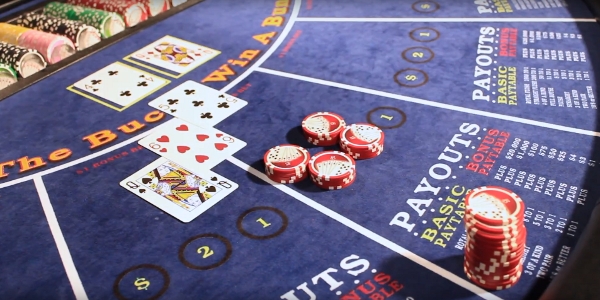
Who Invented Let-It-Ride Poker?
Aug 2, 2026 Daniel Odeyemi
Learn about Mr John Breeding, a former truck driver and founder of Shuffle Master, who created Let-It-Ride Poker as a marketing tool for his shuffling machine.
How Mobile Blackjack Is Being Redesigned Around Speed and Player Control
Jul 10, 2026 David Fox
Mobile blackjack is evolving through larger controls, faster navigation and thumb-friendly design as developers adapt the game for smartphones

How Casino Games Get Approved
May 24, 2026 Daniel Odeyemi
Learn how gambling game inventors move casino games from ideas to casino floors through math reviews, lab testing, gaming commission approvals, and field trials.
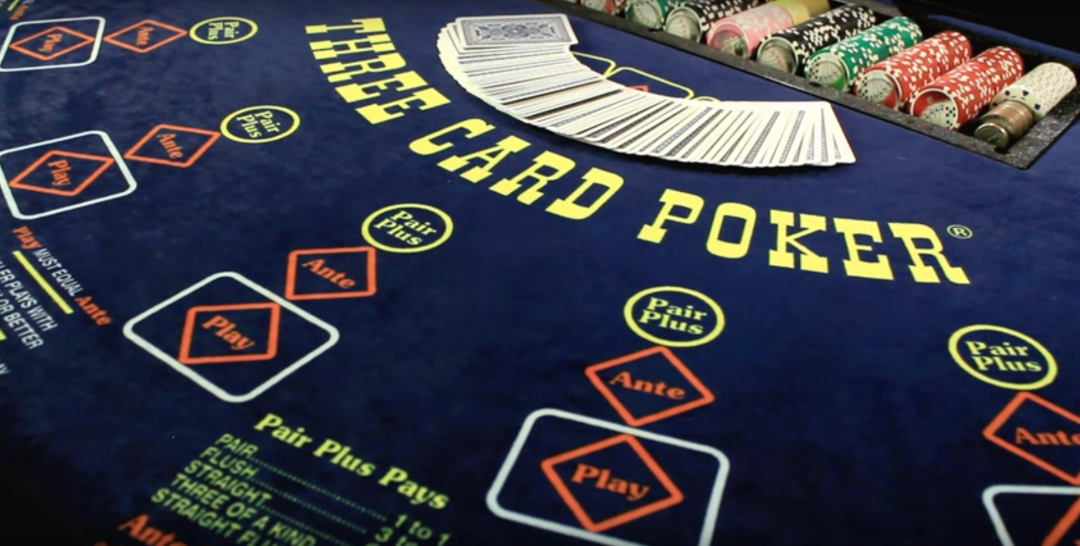
Who Invented Three-Card Poker?
May 24, 2026 Daniel Odeyemi
Learn about Derek Webb, the man who invented Three Card Poker, and why it became one of the most successful casino table games in history.

How Narrative-Driven Slots Are Taking Over
Apr 23, 2026 Gabriela Pelayes
Narrative-driven slots transform gameplay into evolving, story-based experiences, requiring strong platforms, continuous updates, and engaging progression systems.