
6 to 5 Blackjack Payout Chart
You’ve just hit the perfect hand, an Ace and a King. But instead of the celebration you expected, the dealer slides you a payout that feels... light. If you’re sitting at a 6 to 5 table, you’re essentially paying a 'hidden tax' to the casino on every winning blackjack. Whether you’re a player trying to figure out if you're being ripped off, or a dealer sweating a complex payout under the eye-in-the-sky, accuracy is everything. This guide breaks down the 6:5 math simply, provides a printable payout chart, and explains why this one rule change is the single biggest threat to your bankroll.
6 to 5 describes the odds the player receives when they get a blackjack on select tables.
Unfortunately, 6 to 5 pays less than 3 to 2 for exactly the same thing and this is the reason why 6 to 5 is considered bad for the players. For example, if you have a $25 wager and you get a blackjack, then on a 3 to 2 table you would get paid $37.50, however on a 6 to 5 table you would only get paid $30 for the same hand. You would lose $7.50 because you were sitting on a 6 to 5 table versus a 3 to 2 table.
Choosing a 3:2 table is only one part of playing smarter blackjack. Use our blackjack strategy guide to learn exactly when to hit, stand, double down, split, or surrender based on your hand and the dealer’s up card.
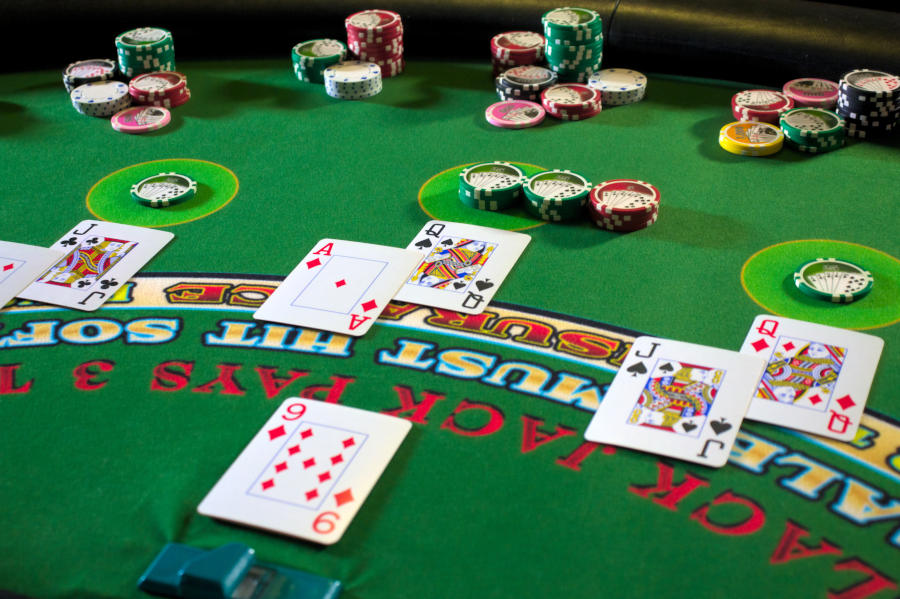
You’ll be able to tell what type of table you’re sitting on due to the markings on the felt layout or the signs next to the table min. max. sign. If you don’t see the odds anywhere then you can always ask your dealer if blackjacks pay 3 to 2 or 6 to 5 before sitting down at a table. If you are unhappy about being paid less for a blackjack, then the only way players can communicate that to the casino is if they never play a 6 to 5 game. If the game isn’t making any money, then the casino will eventually take it out.
Now for the casino dealer’s part of this answer. Paying a 6 to 5 payout is easier than you think. Instead of focusing on the dollar amount and the odds, which can confuse anyone, focus on the units. Memorize the payouts for the four most commonly used units. If the player has a $5 blackjack, then pay him even money plus $1. Every $5 gets paid an extra $1 or in other words a $5 blackjack gets paid $6. A $25 chip will get paid even money plus $5, also known as $30 and a $100 chip will get paid even money plus $20 or a total of $120. $1 chips are easier since breakage applies. Since the casino can’t pay 6 to 5 on a $1, all $1 wagers are paid even money. If you pay to the units instead of the dollar amount, you’ll have a lot easier time figuring out the payoffs. For example, if the player has a $45 blackjack that pays 6 to 5, what do you do? Take a deep breath and remember to pay in units. So first we’ll pay the bet even money. Second, we’ll break down this bet and pay the units the bonus amount. A $25 chip pays $5 and we know four $5 chips will pay $4 so we add an additional $9 to the payout and we just successfully paid a 6 to 5 blackjack bet with very little effort. If you would like to know the dollar amount for a 6 to 5 payout, check out our table below. The PDF of this 6 to 5 blackjack payout chart can be printed and used on the blackjack table in a casino.
As players learn about 6 to 5 blackjack, others might want to check out betting platforms free from Swedish regulations to experience more betting flexibility.
| Original Bet | Blackjack Payoff |
|---|---|
| $1 | $1 |
| $2 | $2 |
| $3 | $3 |
| $4 | $4 |
| $5 | $6 |
| $10 | $12 |
| $15 | $18 |
| $20 | $24 |
| $25 | $30 |
| $30 | $36 |
| $35 | $42 |
| $40 | $48 |
| $45 | $54 |
| $50 | $60 |
| $55 | $66 |
| $60 | $72 |
| $65 | $78 |
| $70 | $84 |
| $75 | $90 |
| $80 | $96 |
| $85 | $102 |
| $90 | $108 |
| $95 | $114 |
| $100 | $120 |
| $125 | $150 |
| $150 | $180 |
| $175 | $210 |
| $200 | $240 |
| $225 | $270 |
| $250 | $300 |
| $275 | $330 |
| $300 | $360 |
| $325 | $390 |
| $350 | $420 |
| $375 | $450 |
| $400 | $480 |
| $425 | $510 |
| $450 | $540 |
| $475 | $570 |
| $500 | $600 |
| $525 | $630 |
| $550 | $660 |
| $575 | $690 |
| $600 | $720 |
| $625 | $750 |
| $650 | $780 |
| $675 | $810 |
| $700 | $840 |
| $725 | $870 |
| $750 | $900 |
| $775 | $930 |
| $800 | $960 |
| $825 | $990 |
| $850 | $1,020 |
| $875 | $1,050 |
| $900 | $1,080 |
| $925 | $1,110 |
| $950 | $1,140 |
| $975 | $1,170 |
| $1,000 | $1,200 |
| $5,000 | $6,000 |
| $10,000 | $12,000 |
| $15,000 | $18,000 |
Ready to go pro? Now that you’ve mastered the math, learn how to manage the game like a professional. Check out our Dealer Training Hub to learn how to pitch cards and handle high-limit action.
Enjoyed this article?
Join our newsletter to get the latest casino industry articles delivered straight to your inbox.
Related Free Learning Hubs: Blackjack, All Hubs
Related Terms & Definitions: Eye-In-The-Sky, Even Money, Blackjack, Bankroll, Breakage, Action, Button, Casino, Change, Dealer, Handle, Layout, Full Dictionary
Related Posts
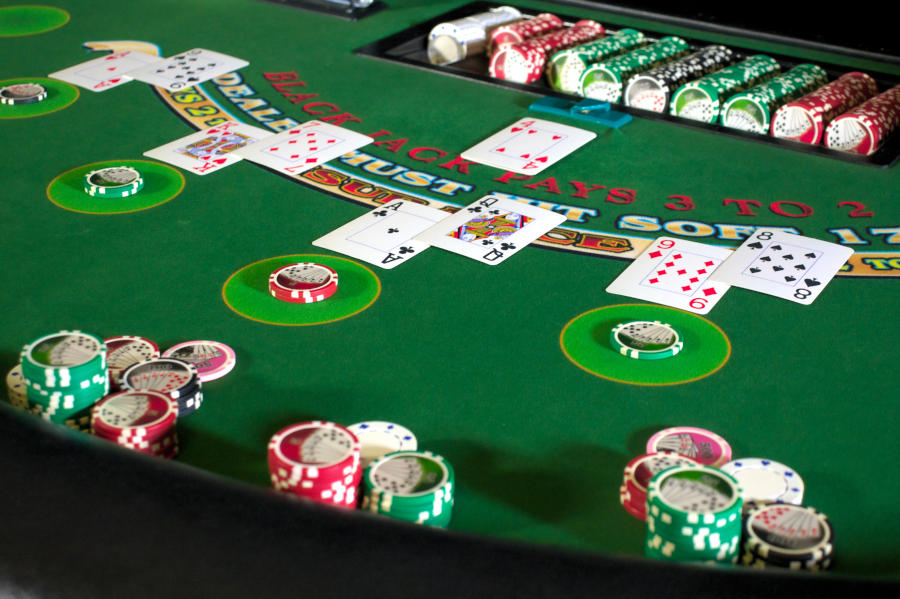
The New Player at Third Base Didn’t Ruin Your Blackjack Hand
Sep 22, 2026 Monika Dragojlovikj
Third-base players can change who receives the next card, but they cannot predict it. This is why the blackjack myth survives at live tables.
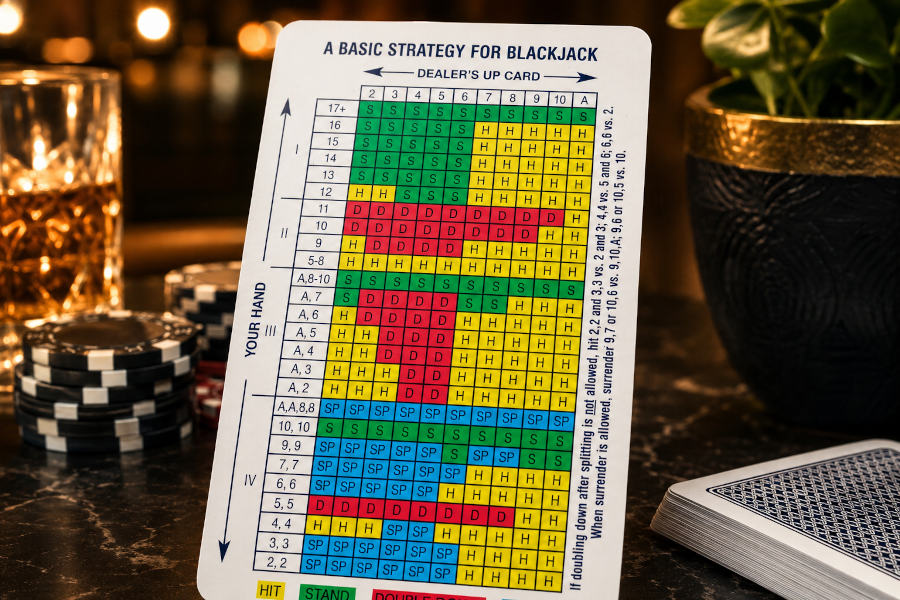
Blackjack Strategy Chart: Basic Strategy for Every Hand
Use our free blackjack strategy chart to learn when to hit, stand, split, or double down. Printable charts for single, double, and shoe games.
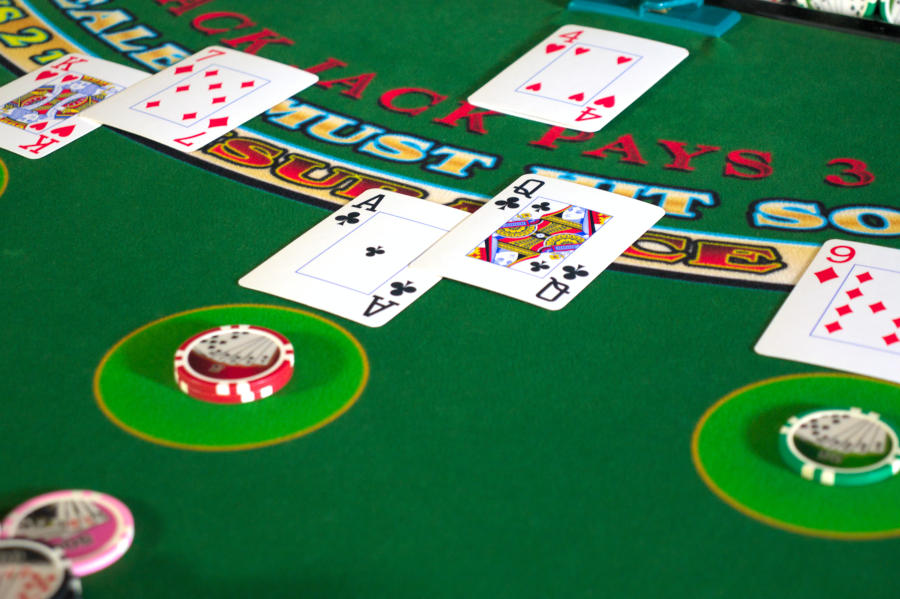
Blackjack Payout Calculator & 3:2 Payout Chart
Download the official 3:2 Guide instantly. Use this printable PDF and our FREE strategy course to master basic strategy and guarantee you maximize your odds.

12 Things You Should Never Do at a Blackjack Table
Aug 30, 2026 Heather Ferris
Discover the 12 blackjack mistakes that can expose a rookie, annoy the table, and even get you kicked out.
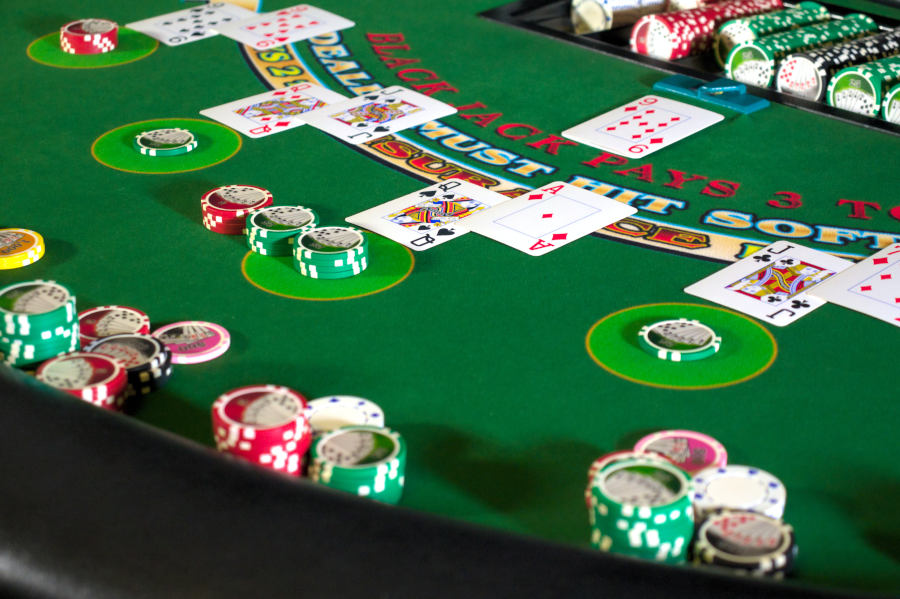
How to Use a Blackjack Payout Calculator
Learn how to use a blackjack payout calculator with simple step-by-step examples. Calculate 3:2, 6:5, insurance, and blackjack payouts accurately every time.
6:5 Blackjack Explained: Is It Worth Playing?
Aug 2, 2026 Daniel Odeyemi
Learn what 6:5 blackjack means, how it compares to 3:2 payouts, and why many experienced players avoid 6:5 blackjack tables.