
Series: How to Become an Online Casino Dealer in Malta • Part 6 of 10
Training Time at The Studio Academy
Every major live casino studio in Malta runs its own training academy, and this is where the transformation from applicant to Game Presenter happens. The training is typically two to four weeks long, depending on the studio and the games you'll be presenting.
What the Training Covers
Training is comprehensive and hands-on. You'll learn the rules and procedures for each game you'll be presenting, including the dealing mechanics, card handling, chip handling, and game flow. But this is only part of it. A significant portion of the training focuses on camera presence, presentation skills, player interaction, and studio etiquette. Remember, you're not just a dealer; you're a live broadcaster, a personality (especially when you won't use your real name, so build that personality).
You'll practice in simulated studio environments with real equipment, cameras, and microphones. Trainers will observe your performance, provide feedback, and help you develop a natural, engaging on-camera style. You'll learn how to read the live chat, how to respond to players professionally and warmly, how to handle difficult or abusive chat messages, and how to manage the pace of the game.
Game-Specific Training
For table games like Blackjack, you'll learn proper dealing procedures, payout calculations, and how to handle splits, doubles, and insurance. For Roulette, you'll learn ball spinning technique, number calling, and payout math. For game shows, you'll learn the specific mechanics of each format, including bonus rounds, multipliers, and audience engagement techniques. Each game has its own set of procedures, and you'll need to pass practical assessments before you're cleared to go live.
Going Live
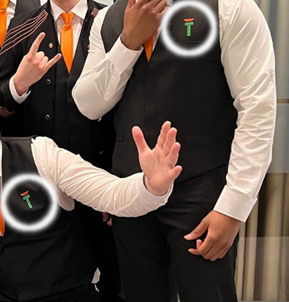
After completing your training and passing your assessments, you'll be assigned to your first live shift. Most studios ease new presenters in gradually, starting them on lower-traffic tables or off-peak hours before moving them to busier shifts. Here in the photo are new candidates ready to go live, but are still in training. Notice the T on their waist coat, to show players at the table that they are still in training.
Don't be surprised if you feel nervous on your first live shift (I was very nervous and I curled and dragged my feet to the extent they were purple when the shift ended). Everyone does. The training prepares you well, but you will make mistakes. Relax, we all learn through mistakes.
♠️ My Insider Tip: Take the training seriously, but don't stress about being perfect on day one. The trainers have seen hundreds of people go through this process. They know you'll be nervous. What they're looking for is someone who is coachable, willing to learn, and improving with each practice session. Show them that, and you'll be fine.
Enjoyed this lesson?
Join our newsletter to get the latest casino industry courses delivered straight to your inbox.
Series
How to Become an Online Casino Dealer in Malta
Part 6 of 10
Related Courses

How to Get a Job as a Casino Dealer in Italy
Sep 14, 2026 Alessandro Cina
Discover what it takes to become a casino dealer in Italy, from essential skills and requirements to career opportunities.
How to Get Hired as a Casino Dealer in the UK
May 17, 2026 Daniel Odeyemi
Learn how to get hired as a casino dealer in the UK with 10 expert strategies from Sterling, a Grosvenor-trained UK croupier. Salaries, licensing (PFL), training and auditions. The complete process, explained.
How to Become an Online Casino Dealer in Malta
May 9, 2026 Massimo Morana
Malta’s booming iGaming industry trains multilingual beginners to become online casino dealers in world-famous live studios.
How to Become a Blackjack Dealer Without School
Apr 9, 2026 Heather Ferris
Learn how to become a casino dealer without dealer school. Discover blackjack dealer training tips, casino auditions, break-in casinos, gaming licenses, and how to get hired as a dealer.
Dealer's Audition Checklist
Feb 5, 2026 Daniel Odeyemi, KT Stuckenschneider, and Heather Ferris
Master your casino dealer audition with our updated 2026 guide. Learn about the 'salt and peppers' dress code, personality tips, and how to handle mistakes on a live game.
Las Vegas Casinos Hiring Break-In Dealers
Nov 29, 2025 Daniel Odeyemi and Heather Ferris
Get the full list of Las Vegas casinos that hire new dealers with zero experience. In this article we go over requirements and audition tips to land your first casino dealer job.
Table of Contents
Series Navigation
Part 6 of 10
- Part 4: Requirements – What Do You Need to Get Hired?
- Part 5: The Application and Hiring Process
Part 6: Training Time at The Studio Academy
Current article
- Part 7: Pay, Benefits and Working Conditions
- Part 8: Career Progression – Where Can This Take You?