
Why Versatile Players Are Becoming Especially Valuable in Modern Football
The game of modern football is fast. One can go from being a full-back, then move to a midfielder when the team has possession of the ball, and later on defend as part of the back line. Coaches are currently developing strategies that revolve around movement and spaces more than playing positions. The new coaching material issued by FIFA indicates that the game at the top level is faster, more intense, and tactical, with fewer seconds available per decision.
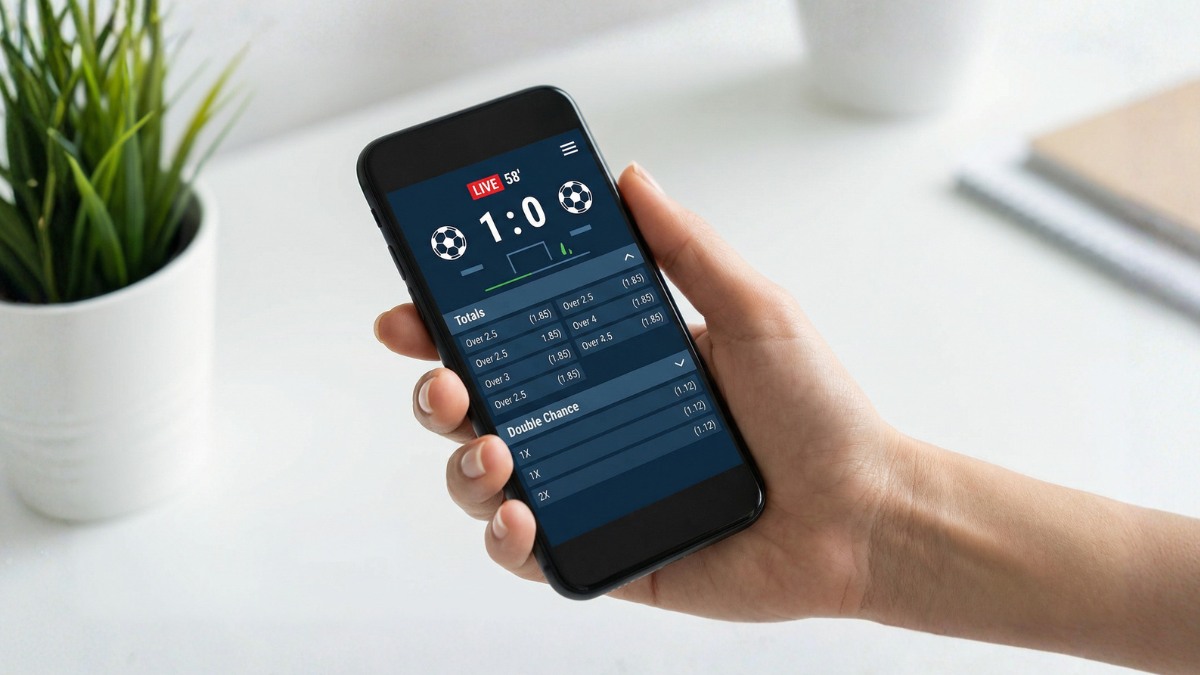
Variability affects the perception of the game by the supporters as well. The supporter from Lebanon who is going to check Melbet before the match will find the name of the player in the position of right back on the list, but then he will watch the participant who moves inside after the ball is kicked. This kind of variability can influence pressing, passing lines, and attacking the spaces.
Fixed Positions No Longer Tell the Whole Story
The structure will still be given by the system, but not by all positions on the pitch. Full-backs can find themselves in central spots. Midfielders can go deep into the pitch and play next to center-backs during the build-up from the defense. Wingers can also defend from much deeper positions than they would play from at the beginning of the match. Even the coaches' work for FIFA shows how important it is for modern players to understand information under pressure.
Why Adaptability Changes a Player’s Value
For a supporter who has already made a MelBet app install, late lineup changes will highlight the value of having a flexible player in the team. It is possible that an injury can alter the predicted tactical formation, but it does not matter because the coach will be able to preserve the same strategy simply by changing a flexible player’s position. Thus, the team will maintain its balance, whereas the new substitute will be able to join the game in his optimal position.
| Match Situation | What a Versatile Player Can Do | Why it Helps the Team |
|---|---|---|
| Build-up under pressure | Move from defense into midfield | Creates a new passing option |
| Change in attacking shape | Switch between wide and central areas | Helps occupy useful spaces |
| Injury during the match | Cover another role without a full reshuffle | Keeps the structure familiar |
| Protecting a lead | Drop into a deeper position | Adds control around key areas |
| Chasing a goal | Move higher and support attacks | Gives the coach another attacking route |
Coaches Can Change Shape Without Changing Personnel
A substitution demands one individual only, but an alteration in position requires many individuals. Once the midfielder becomes the full back, then the other players have no choice but to shift forward. In case the defender moves to become the midfielder, then there will be another pass in the middle of the field. The coach is then able to react to the opponent's formation with experienced players.
This kind of flexibility is important when playing against teams where the initial formation does not provide space anymore. Rather than waiting for the next opportunity to make a substitution, the coach will be able to change the formation. The flexible participants are aware of the movements and distances involved.
The Pressing Game Rewards Players Who Understand More Than One Zone
Positional sense has become more vital due to pressing. The athlete starts by closing down the center-back, then presses the ball into the midfield before dropping to the flank. As per FIFA training guidebooks, the modern football game requires continuous decision-making, interaction, and adaptability. This notion works perfectly fine for pressing, as the player needs to respond to the ball, teammate, and available space simultaneously.
A flexible football player usually anticipates such situations better due to the experience of being in other positions. An ex-winger who plays at the full-back position will know how to read the desire of the opponent to receive the ball in the wide areas. A midfielder who plays in defense will be able to see when the opponent intends to play between the lines.
Coaches usually value several qualities in such players:
- awareness of space before receiving the ball;
- comfort when moving into unfamiliar areas;
- clear communication during positional switches;
- enough technical control to perform under pressure.
Smaller Squads Need More Functional Options
The teams compete in league fixtures, domestic cups, international tournaments, and national games. There must be methods for coaches to organize their tactics without altering the team's character each time someone is rested. A football player who performs multiple functions makes it easier for the team.
The advantage is evident in cases where there are injuries or exhaustion in that particular department. In a squad with specialists, there could be a need for one replacement for every function. If the team consists of versatile footballers, then there are many options at the disposal of the coach.
Versatility Is More Than Playing Several Positions
Two positions on their own do not mean anything about adaptability. It means having the knowledge of tactics. The player has to know where to position himself, when to make a move, who he is marking, and what effect his new place will have on the players around him.
The technical requirements may vary, too. The wide defender gets the ball while looking ahead, and the central midfielder gets it under pressure from behind. The winger can go for an empty space, while the wing-back needs to decide whether to attack or stay where he is.
How Versatile Players Help During Different Match Phases
Football undergoes multiple changes in nature within a single game. There may be a stage where one team dominates possession, then the squad retreats after losing it, and finally one where they counterattack. This is made possible by players who know various roles in football.
Their value often appears in moments such as:
- moving inside during build-up to create an extra central option;
- dropping deeper when the opponent starts finding area between the lines;
- switching flanks whilst a matchup offers better attacking space;
- filling a teammate’s zone after a substitution changes the formation.
These adjustments may look small on a screen. Their tactical effect can be much larger. A coach gains more ways to solve problems without asking the entire side to learn a new system during the match.
Development Is Changing Too
There are valid reasons why youth coaches should teach a young player his role thoroughly. Specialized coaching is important too. According to the 2026 development guidance by FIFA, role-based training allows players to learn what responsibilities they need to perform when a certain playing style is applied in the team. Also, the mentioned development guidance stresses the importance of being flexible in terms of the modern role of the holding midfielder, especially in relation to defending from a build-up spot.
It makes sense to combine specialized knowledge about a certain position with training in other parts of the field. A full-back should be familiar with the specifics of playing as a full-back. Training in the midfield area will help develop an understanding of central areas too. When a midfielder trains in the defensive zone, he will learn to assist defenders effectively.
The training methods of today offer more situations that contestants need to solve on their own. Small-sided drills will teach young players how to receive the ball under pressure, what to do after losing possession, and how to adapt their role in case there are different spaces available.
The Players Coaches Can Trust in More Situations
The versatile footballer is becoming increasingly important because of the need for adaptation in today's game. The team's pressing and attacking style varies with shape, and its formation changes with the progress of the match. A footballer who knows a number of roles provides options for the coach while maintaining cohesion within the team.
Some of the most effective versatile footballers are able to take on a new role and immediately know the timing, space, and technical aspects of that function in the first move. Their effectiveness lies in the ability to adapt rather than simply listing the roles next to their names. As tactics become more adaptable, coaches will always be looking for footballers who are capable of solving different problems in the same match.
Disclosure: This article contains sponsored content.
Enjoyed this article?
Join our newsletter to get the latest casino industry articles delivered straight to your inbox.
Related Article Archives: Sports Betting, All Articles
Related Terms & Definitions: Make a Move, Dropping, Position, Seconds, Change, Player, System, Check, Cover, Field, Games, Pitch, Full Dictionary
Related Posts

Why Your In-Play Bet Freezes Every Time VAR Checks a Goal
Oct 8, 2026 Ilia Gelenidze
Why does VAR freeze your live bets? Discover what happens behind the scenes when betting markets suddenly suspend.

Casino Bonuses vs Sportsbook Bonuses: What Changes for Players
Sep 29, 2026 Kristóf Kozéki
Casino or sportsbook bonuses: Which offers better value? Discover the hidden rules that can make or break your bonus!

Best Esports Betting Sites: Trusted Sportsbooks With the Top Odds & Bonuses in 2026
Jan 8, 2026 Alex Martin
Best Esports Betting Sites: Top Sportsbooks Ranked in 2026

Sportsbook Software Features That Improve Operator Efficiency and Player Experience
Sep 9, 2026 Mani Kumar
Discover the powerful sportsbook features working behind the scenes to create faster, safer, and more engaging betting experiences.

The State of American Sportsbooks Shows a Bigger, Louder Market Still Battling for Space
Sep 1, 2026 Gabriela Pelayes
American sports betting is shattering records, but soaring taxes, shrinking competition, and prediction markets are rewriting the game.
Best Nevada Sports Betting Apps: Top NV Mobile Sportsbooks for 2026
Dec 26, 2025 Alex Martin
Explore the best Nevada sports betting apps in 2026, offering competitive odds, fast payouts, exclusive bonuses, and reliable mobile access.
Table of Contents
- # Back to Top
- Fixed Positions No Longer Tell the Whole Story
- Why Adaptability Changes a Player’s Value
- The Pressing Game Rewards Players Who Understand More Than One Zone
- Smaller Squads Need More Functional Options
- How Versatile Players Help During Different Match Phases
- Development Is Changing Too
- The Players Coaches Can Trust in More Situations