
Understanding Odds and Risk Management in Casino Table Games
Anyone who has ever watched chips fly across a felt layout knows that the line between entertainment and loss can be thin. Players who read early about Norwegian casinos soon discover that numbers, not luck, make the real difference. Sites such as https://norge-casino.com/ post payout statistics that reveal how tiny house edges add up over time. The buzz of slots near a casino can quickly turn a newcomer’s head toward dreams of poker glory, yet smart guests pause to do the math first. From blackjack fans to those who favor casinos in search of the whirl of roulette, everyone benefits from clear bankroll rules. One guide, casinoerudenomrofus.com, reminds readers that responsible play starts long before the first wager.
Why House Edge Matters
In every table game, the house edge acts like a silent partner who takes a small share from each bet. That share might be 0.5 % in blackjack with basic strategy or more than 5 % in American roulette. Over hundreds of spins or hands, even a slim margin steadily pulls chips toward the casino vault. Understanding this concept helps players make informed choices instead of guessing. For example, when deciding between a roulette straight-up bet and an even-money outside bet, knowing the different odds can curb risky impulses. Seasoned visitors set personal limits based on house edge data; they plan shorter sessions on games with higher built-in costs. By comparing edges before sitting down, a player acts more like a shopper checking prices than a gambler riding hunches. That simple habit lowers average losses and stretches entertainment time.
Calculating Odds Like a Pro
Basic arithmetic unlocks most table-game mysteries. In blackjack, a single deck holds sixteen ten-value cards, so the chance of drawing one after a six is roughly 31 %. When a dealer shows an ace, adding those numbers helps determine whether insurance is sensible. In craps, the total of seven appears on six out of thirty-six dice combinations, giving it a 1 in 6 probability. Knowing that fact explains why certain wagers pay only 4 : 1 even though they feel rare to the eye. Tools such as simple odds charts or mobile calculators turn confusing tables into clear percentages. Players who practice at home with mock hands quickly spot profitable situations at the real table. They also recognize bets designed more for show, like hops bets in craps, which carry steep house advantages. Small study sessions, ten minutes at a time, can raise confidence and shrink costly mistakes.
Bankroll Management Strategies
A solid bankroll plan shields funds from sudden swings. Many visitors use the 5 % rule: stake no more than five percent of the total session roll on a single wager. If the night’s budget is $200, each bet tops out at ten dollars. Another method divides the roll into equal “shoes” or “shifts.” After a stacked set of twenty hands or twenty spins, the player steps back, counts results, and decides whether to continue. This break serves two purposes: it prevents emotional tilts and creates natural stopping points. Progressive betting systems, such as the Paroli, can fit into bankroll plans if limits are strict and tracked on paper. However, any system fails without exit rules. Wise players pre-select a winning goal, often 20 % of the starting roll, and a loss cap, usually 50 %. Reaching either number signals time to walk away, pocketing fun memories instead of regret.
Emotional Control and Smart Play
Math guides strategy, but emotions still steer decisions at the felt. Adrenaline spikes after a hot streak often tempt guests to double table limits; fear after losses pushes others into reckless “chase” bets. Recognizing these feelings early keeps play rational. Simple techniques—deep breaths, short walks, or a sip of water—reset focus without drawing unwanted attention. Observing table pace also matters. Fast dealers, while efficient, can speed up losses because more hands are played per hour. Choosing moderate tables buys time to think and slows the house’s statistical pull. Finally, setting a realistic entertainment goal turns gambling from a money hunt into a leisure activity. Players who treat the experience like paying for a movie or concert rarely fall into panic when variance hits. They enjoy the social chat, the bright layouts, and the thrill of possibility, all while respecting the numbers that truly rule the game.
Disclosure: This article contains sponsored content.
Enjoyed this article?
Join our newsletter to get the latest casino industry articles delivered straight to your inbox.
Related Article Archives: Players, All Articles
Related Terms & Definitions: Basic Strategy, Single Deck, House Edge, Blackjack, Insurance, Bankroll, Straight, Natural, Outside, Readers, Casino, Dealer, Full Dictionary
Related Posts
The House Edge, Explained for People Standing at the Table for the First Time
Oct 20, 2026 Amy Smith
Discover how the house edge affects your bets and which casino games give you the best value for your money!

Why Players Chase Gambling Losses and How to Stop
Oct 13, 2026 Masoom Anwar
Learn why players chase gambling losses, how emotions and the gambler’s fallacy affect decisions, and practical ways to set limits and know when to stop.

How to Take Your Skills to the Next Level
Oct 11, 2026 Heather Ferris
Think professional gambling is all glamour and big wins? Discover the skills, discipline, and risks behind success!
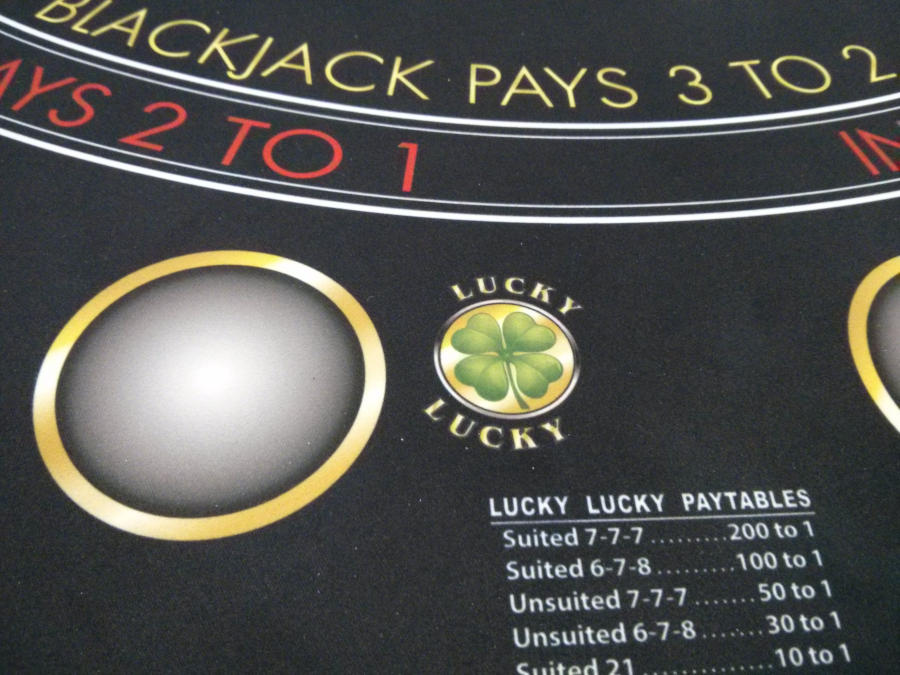
Why Do Casinos Love Side Bets?
Sep 22, 2026 Daniel Odeyemi and Heather Ferris
Learn why casinos push side bets and why players are drawn to high-risk, high-payout wagers in games like blackjack, craps, and roulette.
Are Casino Games Rigged?
Sep 20, 2026 Heather Ferris
From rigged games and mob-run casinos to modern regulation, discover why today’s biggest casino advantage isn’t cheating, it’s math.

9 Common Pet Peeves of Casino Dealers
Sep 13, 2026 Heather Ferris
Discover the nine casino habits that drive dealers crazy and learn how to avoid becoming their biggest pet peeve.