
Why Players Chase Gambling Losses and How to Stop
Chasing losses happens when players keep gambling despite losing or increasing bet size to attempt to recover lost funds.
Losing may affect the decisions a player makes due to the associated emotions of anger, panic, and determination to undo the loss. This article focuses on why players chase losses and includes practical ways to avoid it.
Why Losing Can Make Players Want to Keep Gambling
A loss in gambling creates the urge to keep gambling rather than to stop. It is driven by the desire to win back what has already been lost and the hope that a player can get back to the starting balance if they win the next bet.
Increasing bets or gambling for longer periods does not guarantee the recovery of previous losses. Casino games are designed to keep players engaged, and some offer side bets with increased odds. These may appeal to a player looking to win back lost funds, but there is no guarantee.
How Emotions Affect Gambling Decisions
Emotions associated with winning or losses affect the decisions players make. Frustration and disappointment after a loss can create the need to remedy the situation by placing another bet. Excitement after a win results in a dopamine rush and a need to place another bet, hoping for another win. Stress associated with long hours of gambling can lead to a player making wrong decisions, like going above the limits they have set.
A mix of these positive and negative emotions may cause a player to abandon the strategy and limits they set at the start of a gambling session.
The Gambler’s Fallacy and Previous Results
The Gambler's Fallacy is a false belief in gambling circles that a losing streak is followed by a win. There are no facts to back up this fallacy, which can be linked to the same emotions that cause players to chase losses. The results of each bet on a casino game are independent of other bets, and a run of losses does not affect the next outcome.
Roulette wheels in single zero and double zero roulette are great examples of how outcomes are independent. The extra pocket changes the odds of an outcome. The odds are the same for each spin and do not change when a player loses on a number of spins.
Set Limits Before You Start Playing
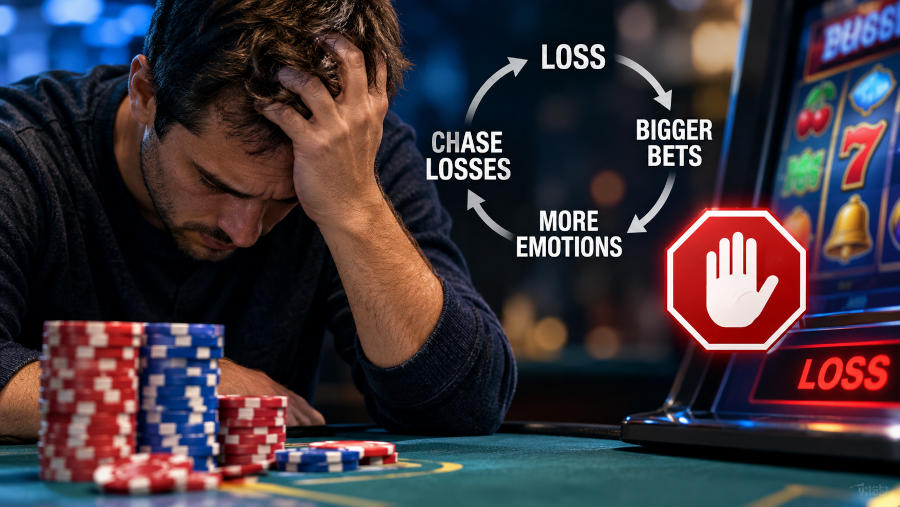
Chasing losses can be avoided by gambling responsibly, as shown in this bullet list:
- A gambling budget should be set before playing and should not be exceeded on a losing or winning streak.
- The decision of how long a player wishes to play should be made beforehand.
- Regular breaks are necessary in a gambling session.
- A stop loss should be set, and gambling stopped immediately when it is reached.
- The set budget should not be increased to try to recover losses.
- Gambling should be avoided when angry, frustrated from losses, or when it is noted that a player is trying to recover money.
Limits can be set before starting a gambling session. It is easier to stick to limits if they are set before placing the first bet rather than when losses have occurred.
Gambling Should Be Entertainment Not a Way to Recover Money
Gambling is not a way of earning money, as outcomes cannot be guaranteed. It should be treated as a form of paid entertainment in which money can be lost. Chasing losses does not guarantee winning lost money in gambling. Neither does changing strategy or switching to a different game. Money lost in gambling can be considered as money spent on entertainment, rather than a loss that needs to be recovered.
Researching a Casino Before You Play
Responsible gambling can be done by doing research before depositing money into a casino. The variety of customer support options and a good reputation are some of the things to check for. An analysis like the Blackjack Ballroom review covering game variety, supported banking methods, and responsible gambling features outlines the important things to consider.
Know When It Is Time to Stop
Knowing when to stop gambling is just as important as having fun. Players can use the responsible gambling controls offered by casinos to control how much they deposit or lose. Self-limit and exclusion tools can help players to step away when gambling is no longer fun, and players can avoid chasing losses by asking for help on the National Problem Gambling Helpline and other professional responsible gambling bodies.
Disclosure: This article contains sponsored content.
Enjoyed this article?
Join our newsletter to get the latest casino industry articles delivered straight to your inbox.
Related Posts

How to Take Your Skills to the Next Level
Oct 11, 2026 Heather Ferris
Think professional gambling is all glamour and big wins? Discover the skills, discipline, and risks behind success!
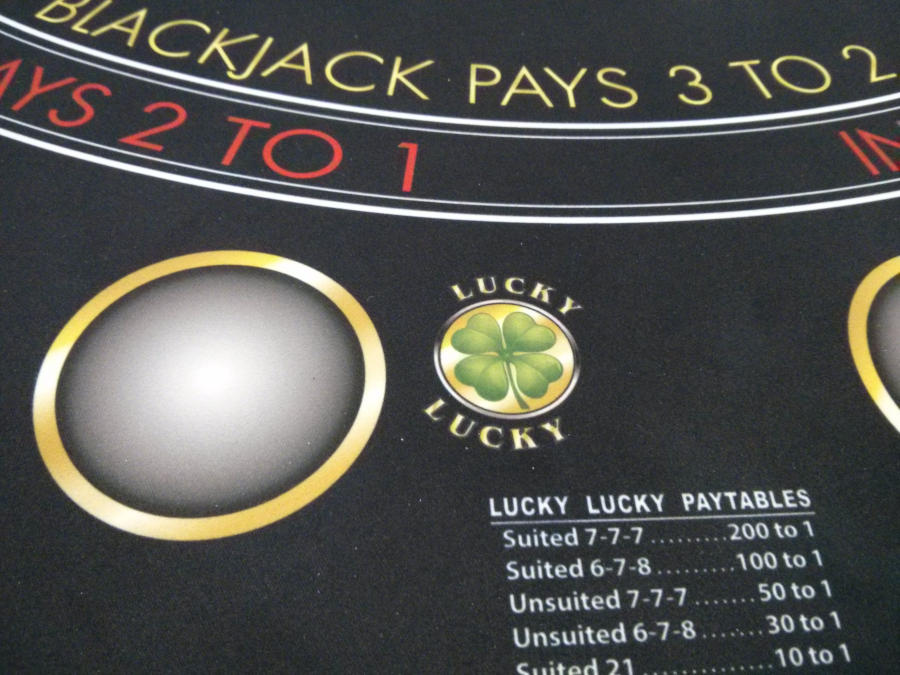
Why Do Casinos Love Side Bets?
Sep 22, 2026 Daniel Odeyemi and Heather Ferris
Learn why casinos push side bets and why players are drawn to high-risk, high-payout wagers in games like blackjack, craps, and roulette.
Are Casino Games Rigged?
Sep 20, 2026 Heather Ferris
From rigged games and mob-run casinos to modern regulation, discover why today’s biggest casino advantage isn’t cheating, it’s math.

9 Common Pet Peeves of Casino Dealers
Sep 13, 2026 Heather Ferris
Discover the nine casino habits that drive dealers crazy and learn how to avoid becoming their biggest pet peeve.

How to Go from Amateur to Pro
Aug 30, 2026 Heather Ferris
Discover what separates casual casino players from the pros, from smarter game selection to bankroll discipline and advantage play.

Inside Casino Surveillance: What the Cameras Are Actually Watching
Aug 24, 2026 Ilia Gelenidze
Casino surveillance sees more than you think, but what the cameras are actually watching might surprise you.
Table of Contents
- # Back to Top
- Why Losing Can Make Players Want to Keep Gambling
- How Emotions Affect Gambling Decisions
- The Gambler’s Fallacy and Previous Results
- Set Limits Before You Start Playing
- Gambling Should Be Entertainment Not a Way to Recover Money
- Researching a Casino Before You Play
- Know When It Is Time to Stop