
The Evolution of Live Casinos
Let’s head back ten or fifteen years, when online casino games all felt more or less the same. You smashed the mouse button, something flashy happened on the screen, and that was it. It worked, but it never felt real.
Live dealer games were supposed to fix that. And for a while, they did. Sitting at a table with an actual dealer, even through a screen, gave people something they had been missing. But what we call a live casino today isn’t just a polished version of those early tables. The idea has shifted over time, gradually moving away from trying to mirror a traditional casino.
In some cases, the connection is still there. In others, we’ve gotten to the point where gambling feels more like live entertainment than anything you’d experience on the casino floor. This shift was subtle and gradual.
It All Began with Simple Tables
The first live games were easy to understand because they didn’t try to impress. Blackjack looked like blackjack. The roulette wheel spun the way people expected. There were obvious limits on how many players could join the game, just like in a physical casino.
This structure helped build trust in the live segment. You could see everything happening in real time. No animations, no hidden mechanics. For players who cared about control and clarity, this was exactly what they wanted. Even now, those classic tables still appeal to people who prefer slower sessions and fewer surprises.
What’s interesting is that the industry didn’t move away from this model because it failed. It moved on because it wasn’t flexible enough.
That’s When Unexpected Limits Appeared…
The first real pressure point was capacity. A traditional table only fits a handful of players. Online, that quickly becomes a problem. Unlimited-seat tables were the solution. This way, there was less friction and easy access to the games for everyone. At the same time, players no longer shared the table with others directly. For casual players, this trade-off made sense. For others, especially those who enjoy the social side of gambling, something important got lost.
The second unexpected setback? Traditional gambling was no longer enough to keep players hooked. Operators began to realize that a large portion of players weren’t looking for accuracy. They were looking for something engaging. Something new and unheard of.
Game Shows, Hybrid Formats, and Games that Didn’t Exist Before
The first wave of game show-style formats introduced big wheels, presenters, and bonus rounds layered atop simple betting systems. These games are easy to understand at a surface level. You place a bet, something spins, and if you hit the right segment, you move into a bonus phase. What’s less obvious is how much the structure has changed underneath. Many of these games mix physical elements with digital ones. The wheel might be real, but the bonus round often relies on programmed outcomes.
Then there are games that drop traditional mechanics altogether. No cards, no classic rules, just a format built around rounds, multipliers, and progression. Some borrow themes from board games, like Monopoly, or TV shows, such as Deal Or No Deal. Others are entirely original.
What’s Really Happening Behind-the-Scenes
One of the easiest mistakes to make is assuming that all live games follow the same logic. They don’t. In a standard roulette game, the outcome comes directly from the physical spin. In a hybrid format, that spin might only determine part of what happens next. Though the host runs the show and its physical game components, bonus rounds, multipliers, and special features are often run through tested RNG systems. That allows for more complex outcomes and keeps the game running smoothly for large numbers of players.
Which Format Suits your Mindset?
Classic tables are steady. You can slow things down, think through decisions, and keep track of what’s happening. They suit players who prefer control and consistency.
Unlimited tables remove pressure but also reduce interaction. They’re convenient, especially if you don’t want to commit to a seat or are here just to observe.
Game show-style formats are built for momentum. They move quickly and rely on short bursts of excitement. That can be fun, but it also means you’re exposed to more rapid swings.
The mistake we see most often is treating all of these as interchangeable. They’re not. They demand different approaches and adjusted betting strategies even if the interface makes them look similar.
How to Approach Modern Live Casino Games without Overthinking it
The simplest way to stay on track is to understand what you’re playing before you start.
If a game includes mini-games, bonus rounds, or multipliers, take a moment to see how often those occur and what they depend on. Adjust your bets accordingly, so you’ll be unlikely to run out of budget before activating them.

Pacing also matters more than most people expect. Faster games feel engaging, but they don’t give you much time to reset between rounds. That can lead to reactive decisions and fast drops in your gambling funds.
It also helps to separate expectation from reality. Just because a game highlights large multipliers doesn’t mean they are common. In many cases, they are there to create peaks, not consistency. Hence, low-volatility games are always a safer option in the long run.
Where Things are Likely Heading Next
Live casinos and game developers are stacking on content that sits somewhere between gaming, streaming, and traditional gambling. We’re starting to see more interaction between hosts and players. Studios are also experimenting with how environments feel. Better camera work, multiple angles, and more dynamic setups are making games feel less static.
Then there’s the question of virtual reality. A fully immersive table, where you can look around, interact with the dealer, and see other players as if you’re in the same space, is an obvious next step. And as technology improves, the real challenge of keeping players entertained and hooked to the screen will prevail.
Disclosure: This article contains sponsored content.
Enjoyed this article?
Join our newsletter to get the latest casino industry articles delivered straight to your inbox.
Related Article Archives: Live Dealer, All Articles
Related Terms & Definitions: Blackjack, Button, Casino, Dealer, Limits, Option, Board, Games, Point, Round, Shift, Track, Full Dictionary
Related Posts
Inside the Eye in the Sky: What Live Casino Streams Can Teach Dealers About Game Protection
Sep 15, 2026 Chris King
Check out this article on how dealers maintain a high level of clarity and game security, what techniques they use, and how this benefits both players and the house.
Best Live Dealer Casinos 2026: Play Live Casino Games for Real Money
Apr 9, 2026 Alex Martin
We tested and ranked the best live dealer casinos for 2026 by game variety, table limits, welcome bonus value, and payment speed.

The Sound of Trust: Why High-Quality Audio Design and Real-Time Video Feeds Increase Player Trust in Live Studios
Aug 29, 2026 Dennis Farin
Discover how crystal-clear audio and real-time video are quietly reshaping player trust in live casino studios.
Casino Dealer Trade Training Expanding Curricula to Meet Live Dealer Demand
Aug 18, 2026 Gabriela Pelayes
Casino dealer training is evolving fast, blending traditional table skills with the camera-ready talents demanded by live online casinos.

The Rise of Live Dealer Blackjack Variants in Online Play
Aug 11, 2026 John Jones
Live dealer blackjack is evolving fast and knowing how new variants change the rules could give savvy players an edge.
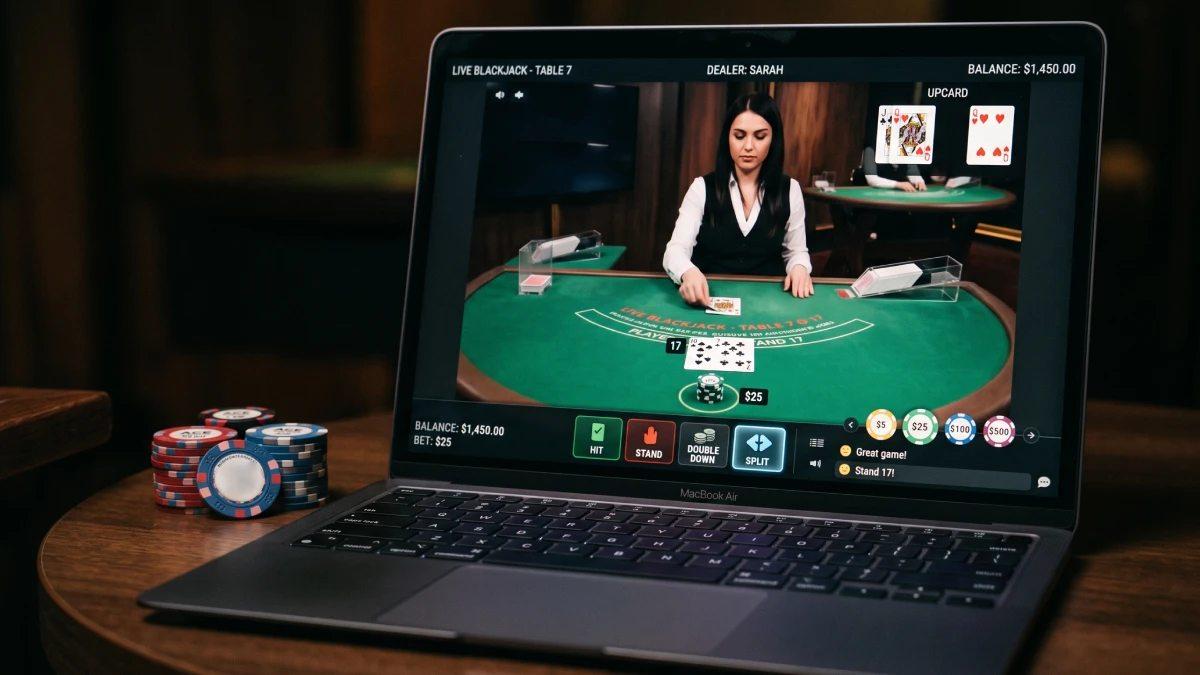
15 Best Live Casinos in 2026: Top Live Dealer Platforms
Aug 3, 2026 Alex Martin
Compare the top live casinos for 2026, including table limits, bonus terms, and withdrawal speeds, based on real account testing.