
What Every Casino Player Should Know Before Their First Las Vegas Trip
Las Vegas has a way of surprising first-time visitors. People arrive with a rough plan, a loose budget, and a vague idea that they will figure it out as they go. Then the casino floor hits them, and suddenly there are a dozen table games they do not recognize, a chip denomination system that makes no sense, and a pit boss who is watching every move. The experience can go sideways fast if you are not prepared.
This guide is for the player who wants to arrive ready, not just excited. Whether you are making the trip on its own or turning a nearby festival weekend into a casino detour, a little preparation goes a long way.
Know the Games Before You Sit Down
The single biggest mistake first-time Las Vegas visitors make is sitting at a table game they do not understand. The casino does not slow down for you, and other players will notice if you are holding up the game.
Before you travel, get comfortable with at least one table game. Blackjack is the natural starting point. The rules are simple, the decisions are your own, and the house edge with basic strategy is one of the lowest on the floor. According to the American Gaming Association, blackjack played with optimal strategy carries a house edge of roughly 0.5%, making it one of the most player-friendly games in any casino. If you study basic strategy beforehand, you already know what to do in almost every situation before the dealer even looks at you.
If blackjack does not appeal, baccarat is a strong option for beginners. There are only three possible bets, no strategy decisions to make once the game starts, and the house edge on the banker bet sits at around 1.06%. It is one of the quietest, least intimidating games on the floor.
One of the best ways to build that confidence is to log some hands online first. Most table games are available in free-play or low-stakes formats, and spending a few sessions on a screen before you walk onto the floor takes the guesswork out of your first live bet. If you are not sure where to start, finding the right online casino is a good first step. Craps, roulette, and three-card poker are all worth learning eventually, but give yourself a solid foundation in one game first.
Understand Denominations and Buy-Ins
Las Vegas casinos use color-coded chips with standard values across most properties. White chips are typically $1, red chips $5, green $25, and black $100. Higher denominations vary by property. Knowing this before you arrive means you will not fumble at the table when you need to act quickly.
Table minimums vary depending on the casino, the day of the week, and the time of day. Strip casinos on a Friday night can have $25 or $50 minimums at nearly every table. Downtown Las Vegas properties tend to have lower minimums and a more relaxed pace, which makes them an excellent choice for first-time visitors who want to stretch their bankroll and learn without pressure.
Set a session budget before you walk onto the floor and stick to it. Decide in advance how much you are willing to lose in a single sitting. The standard rule of thumb: bring at least 20 times the table minimum if you want a meaningful session rather than three hands and out.
The Casino Floor Is Designed Against You
Every major casino on the Strip uses a layout strategy called "the maze." Table games are grouped into clusters known as pits, each overseen by a pit boss stationed in the centre. These pits are arranged so that the natural walking path from hotel elevators, restaurants, and restrooms forces you through the densest part of the gaming floor. You will rarely find a straight line between any two non-gaming areas of the building.
Restrooms and ATMs are placed deep inside the floor on purpose. The route to reach them passes dozens of slot machines and table games. Carpet patterns on most casino floors are deliberately loud and visually overwhelming; the goal is to make the ground unappealing to look at so your eyes stay on the machines and tables above.
There are no clocks anywhere, natural light is almost non-existent, and temperature is kept at a constant cool that discourages you from feeling the hours pass. Even the ceiling height drops in slot machine areas to create a more enclosed, immersive feeling compared to the open ceilings over table game pits.
Knowing all of this before you walk in changes how you move through the space. Scout the floor layout on your first walk-through. Identify where your game is, where the exits are, and where you can step away to reset. If you plan to drink, pace yourself. Free drinks are offered to keep you at the table, and alcohol is the single fastest way to blow through a session budget.
Plan Around the City, Not Just the Strip
Las Vegas in 2026 is busiest in spring. Festival season in the California desert sends a steady flow of visitors north to the Strip, and the weeks surrounding major events see hotel rates spike and casino floors swell. Data from the Las Vegas Convention and Visitors Authority shows the city regularly draws over 40 million visitors a year, with spring and autumn seeing the sharpest peaks.
If the energy of a packed casino appeals to you, spring weekends on the Strip deliver exactly that. If you prefer space at the tables and better minimums, consider arriving mid-week or heading to properties just off the main corridor. The experience is genuinely different, and often better for anyone focused on playing rather than the spectacle.
Talk to the Dealer
Dealers are one of the most underused resources on the casino floor. They see hundreds of players a week, they know which mistakes cost people money, and most of them are happy to explain how a game works before you sit down. A quick conversation at a quiet table can save you from the kind of error that clears your chip stack in three hands.
The practical move is simple: find a table with open seats during an off-peak hour, watch a few rounds, and ask the dealer a question or two. They are not judging you for being new. In fact, a player who asks upfront is far easier to deal to than someone who guesses mid-hand and slows the game down for the entire table.
Tip when you are winning. It is not mandatory, but it is how the relationship works, and dealers remember players who treat them well. If you want a smoother experience at the table, that small gesture goes further than most people realize.
If you would rather learn at your own pace before your trip, there are sites built by working dealers that walk through game rules, hand signals, and betting procedures step by step. That kind of preparation, starting with the fundamentals of whatever game you plan to play, means you spend your floor time actually playing instead of catching up.
Disclosure: This article contains sponsored content.
Enjoyed this article?
Join our newsletter to get the latest casino industry articles delivered straight to your inbox.
Related Article Archives: Players, Las Vegas, All Articles
Related Terms & Definitions: Basic Strategy, House Edge, Blackjack, Baccarat, Bankroll, Straight, Deliver, Minimum, Natural, Banker, Casino, Dealer, Full Dictionary
Related Posts

Why Players Chase Gambling Losses and How to Stop
Oct 13, 2026 Masoom Anwar
Learn why players chase gambling losses, how emotions and the gambler’s fallacy affect decisions, and practical ways to set limits and know when to stop.

How to Take Your Skills to the Next Level
Oct 11, 2026 Heather Ferris
Think professional gambling is all glamour and big wins? Discover the skills, discipline, and risks behind success!
Why Do Casinos Love Side Bets?
Sep 22, 2026 Daniel Odeyemi and Heather Ferris
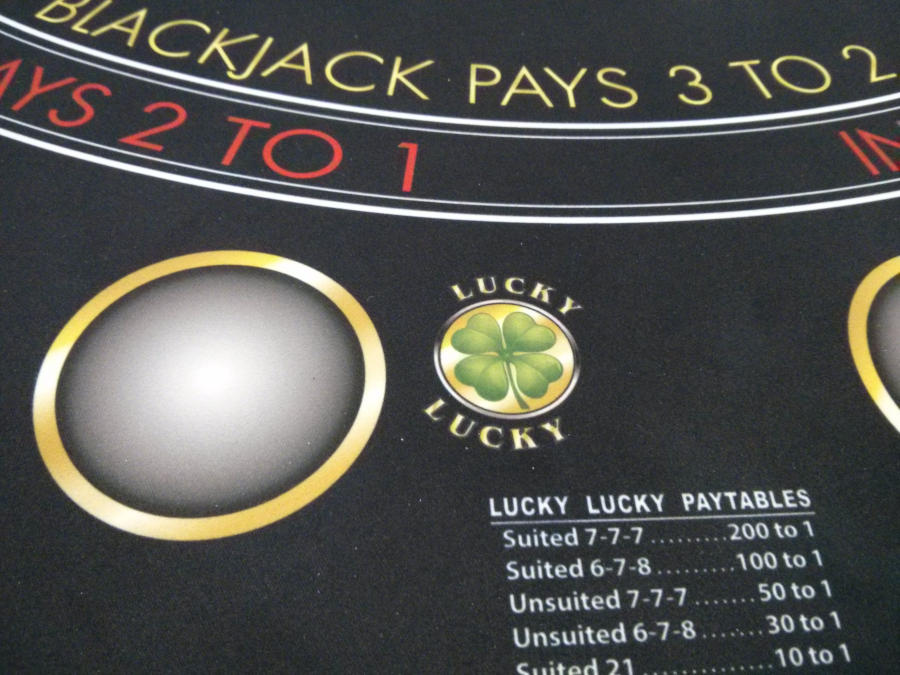
Learn why casinos push side bets and why players are drawn to high-risk, high-payout wagers in games like blackjack, craps, and roulette.

Are Casino Games Rigged?
Sep 20, 2026 Heather Ferris
From rigged games and mob-run casinos to modern regulation, discover why today’s biggest casino advantage isn’t cheating, it’s math.

9 Common Pet Peeves of Casino Dealers
Sep 13, 2026 Heather Ferris
Discover the nine casino habits that drive dealers crazy and learn how to avoid becoming their biggest pet peeve.
Best Online Slots in Las Vegas: Play at Casinos for Real Money
Jan 14, 2026 Alex Martin
Find the best online slots in Las Vegas and compare 15 casinos based on slot games with real money payouts, bonuses, and payment options.