
Why a High RTP Doesn't Mean You'll Actually Win
Return to player percentages are everywhere in online casino marketing. A game advertised at 97% RTP sounds like a near-guarantee — keep most of your money, maybe profit. That logic is intuitive, but it's also fundamentally misleading. Understanding why requires looking at what RTP actually measures, and what it deliberately leaves out.
RTP is a theoretical figure calculated across millions of spins or hands. In any realistic session — say, 200 spins over an evening — the number is statistically irrelevant. A 97% RTP slot can deliver a 60% loss in one session and a 200% return the next. The percentage tells you nothing about your specific experience.
RTP Numbers Casinos Don't Contextualize
Casinos aren't obligated to explain the conditions under which RTP is meaningful, and most don't. The figure assumes an astronomical volume of play before it stabilizes toward the theoretical average. For a typical player logging a few hours per week, that convergence never realistically arrives.
Nevada's slot data illustrates this clearly. Statewide slot machine hold percentage averaged 7.15% in 2025 — meaning actual player returns sat at 92.85%, well below many online slots marketed at 96% or higher. The gap between advertised RTP and real-world outcomes is measurable and consistent.
Volatility Overrides RTP in Real Sessions
The variable that genuinely shapes your session is volatility, not RTP. High-volatility slots pay infrequently but can deliver large wins when they do. Low-volatility slots pay often but in smaller amounts. Two games can share a 96% RTP and feel entirely different depending on their volatility profile.
Players selecting games across the best crypto gambling sites often filter by RTP without considering volatility — a critical oversight. A high-volatility game with 96% RTP can drain a bankroll completely before a single significant payout occurs. Matching volatility to your session budget and risk tolerance is a more practical framework than chasing the highest theoretical return.
What Players Often Get Wrong
Many online casinos emphasize high-RTP games as a selling point, and players respond. The appeal is logical on the surface — why wouldn't you want the highest return possible? But this framing conflates long-run theory with short-run reality, and the distinction matters enormously.
The scale of the industry underscores how persistently house edges operate despite high RTPs. US commercial gaming generated $78.72 billion in gross gaming revenue in 2025, a 9.2% increase from the prior year. Casinos don't generate that revenue because players are winning — they generate it because variance and house edge work regardless of what RTP a game advertises.
What Smarter Game Selection Actually Looks Like
Smarter players approach game selection through multiple variables simultaneously. RTP is one data point, but volatility, hit frequency, maximum win potential, and minimum bet size all affect whether a game suits your specific session goals. A 94% RTP low-volatility game may be more appropriate for a limited bankroll than a 97% high-volatility alternative.
Bankroll management and session length expectations deserve equal weight. According to AGA's 2025 State of the States, US iGaming revenue reached $8.41 billion in 2024 — a 28.7% increase — reflecting how consistently the house retains an edge regardless of RTP marketing. The players who perform best over time aren't those who found the highest RTP game; they're the ones who understood that volatility, budget, and session structure matter far more than a theoretical percentage printed on a game description.
Disclosure: This article contains sponsored content.
Enjoyed this article?
Join our newsletter to get the latest casino industry articles delivered straight to your inbox.
Related Article Archives: Players, All Articles
Related Terms & Definitions: House Edge, Percentage, Edge Work, Bankroll, Deliver, Maximum, Minimum, Casino, Player, Games, House, Point, Full Dictionary
Related Posts
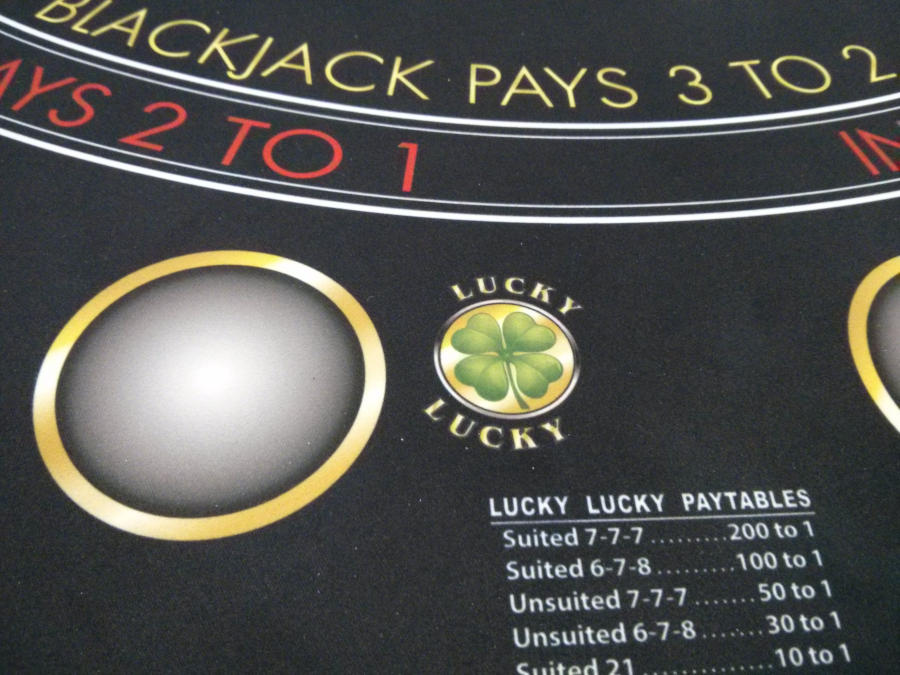
Why Do Casinos Love Side Bets?
Sep 22, 2026 Daniel Odeyemi and Heather Ferris
Learn why casinos push side bets and why players are drawn to high-risk, high-payout wagers in games like blackjack, craps, and roulette.

Are Casino Games Rigged?
Sep 20, 2026 Heather Ferris
From rigged games and mob-run casinos to modern regulation, discover why today’s biggest casino advantage isn’t cheating, it’s math.

9 Common Pet Peeves of Casino Dealers
Sep 13, 2026 Heather Ferris
Discover the nine casino habits that drive dealers crazy and learn how to avoid becoming their biggest pet peeve.

How to Go from Amateur to Pro
Aug 30, 2026 Heather Ferris
Discover what separates casual casino players from the pros, from smarter game selection to bankroll discipline and advantage play.

Inside Casino Surveillance: What the Cameras Are Actually Watching
Aug 24, 2026 Ilia Gelenidze
Casino surveillance sees more than you think, but what the cameras are actually watching might surprise you.

What Actually Happens When a Dealer Makes a Mistake at a Casino Table?
Aug 24, 2026 Ilia Gelenidze
When a casino dealer makes a mistake, what happens next can determine whether a simple error becomes a major dispute.