
The Rules of Live Poker Online: A Complete Guide for Players Making the Move from Physical to Digital Tables
Poker in its core has always been about hand rankings and odds, but anyone who has spent time at a real poker table knows that the game is never only about the cards. It’s also about pace, pressure, and confidence. That is why switching from a physical poker room to live poker online can feel familiar at first, then slightly different after a few hands played.
The cards, dealer and table are still part of the online game. But the experience is different. You are no longer sitting beside other players with chips in front of you and cards moving across the felt. The table now comes through a screen, with buttons replacing physical actions and timers pushing each decision.
Live poker online sits between two worlds. It’s not the same as a regular online poker lobby where every seat is represented by an avatar and every hand is dealt by software. It’s also not the same as a casino poker room where you can hear chips splash, watch hands shake, or notice when someone suddenly stops talking. Live poker online brings a real dealer into a streamed setting, then gives players digital controls to join the action.
The online poker market is projected to grow to about $20.1 billion by 2035, with live dealer poker being one of the strongest formats since players want convenience. They also want a human element in the game, and live dealer poker gives them both.
For players coming from physical tables, the biggest mistake is assuming the move will be automatic. Knowing poker helps, but the digital format has its own habits, rules, and pressure points. The cards may be the same, but the game itself is a bit different.
The Basic Rules Stay Familiar
The good news for physical poker players is that the core rules don’t suddenly change. If you already understand Texas Hold’em, Casino Hold’em, Three Card Poker, Ultimate Texas Hold’em, or other popular poker formats, you will recognize the foundation quickly.
The game still has betting rounds. Hands still rank the same way. A flush still beats a straight. A full house still beats a flush. Strong starting hands still have value. Weak hands can still become traps if you refuse to fold. Good bankroll control is still more important than one dramatic win.
The difference is mostly in presentation and procedure.
The physical actions of poker are replaced by screen controls, so bets, calls, raises, and folds all happen with a click or tap. The dealer still runs the hand on camera, but the action reaches you through the live stream, prompts, timers, and digital bet displays.
Physical poker gives you natural pauses. You stack chips, look at cards, watch others, and feel the table move. Online poker plays faster games, since the interface is designed to keep the game moving.
Good Manners Still Count Online
Physical poker has a lot of unwritten rules. Do not splash the pot. Do not talk about a live hand while others are still playing. Do not berate the dealer or reveal folded cards while the hand is active. Live poker online keeps many of those expectations, but they show up differently.
For instance, you can’t splash chips because the software handles bet placement or accidentally expose your cards because the system controls visibility. In that way, online poker removes some common table problems. But table manners are still there.
Chat shouldn’t be used to abuse other players or the dealer. Players should not complain after every lost hand. If chat is available, it should add something to the experience, not turn the table into a fight.
Live dealer online poker tables also have strict timing rules. You are allowed to think. Poker is a decision game. But repeatedly using the full timer for simple folds can irritate other players. In physical poker, people can see you thinking. Online, they only see delays. That doesn’t mean you should rush important hands, but it does mean you should stay present.
The best online table manners are simple. Act when it’s your turn. Do not abuse chat. Do not blame the dealer for random cards. Do not harass other players.
The Biggest Rule Change Is the Pace
Players who move from physical poker to live poker online often notice the pace before anything else. Real poker rooms have pauses everywhere. Players buy in. Chips are counted. Dealers change. Someone orders a drink. Someone tanks. Someone asks for the bet size. Someone gets up. The action can be slow, even when the game itself is intense.
Online poker removes many of those pauses. Live dealer poker is usually slower than software only online poker, but it still tends to feel more structured than a physical room. The game is built to keep moving. The timer is visible. Decisions are processed instantly. Payouts are calculated by software. New rounds can begin quickly.
The danger is autopilot. When decisions come quickly, it becomes easy to click without thinking. Fold, fold, call, fold, call. After a while, the rhythm can take over. That is especially risky if you are tired, distracted, or chasing losses.
Reading Players Is Different on a Digital Table
This is the part that physical players usually miss most.
At a real table, some players build a lot of their edge from observation. They notice who protects their cards nervously, who talks when strong and goes silent when weak, and who stares at chips before bluffing.
In live poker online, most of that disappears. You may see usernames, seat positions, bet amounts, and timing, but not the faces of other players. Sometimes you may see chat behavior. But you will not get the same physical tells. That means you need to adjust what “reading” means.
Online, the most useful reads often come from patterns. How often does a player raise before the flop? Do they call too much from bad positions? Do they make small bets with weak hands and bigger bets with strong hands? Do they fold quickly to pressure? Do they check back too often? Do they chase draws at any price?
Online timing can still give useful hints, but it works best when you treat it as one of the tools rather than the whole picture.
Bankroll Rules Need More Attention Online
Bankroll control is important in every version of poker, but online gambling can make it easier to lose track. At a physical table, you see chips leaving your stack. You feel the loss in a more direct way. You may need to rebuy in front of other players and physically walk to the cage.
Online, reloading can feel too easy. A few clicks can put you back in the game. That convenience is part of the appeal, but it also requires discipline.
Before playing live poker online, you should decide how much you are willing to risk. Once that amount is gone, the session is over. Not paused. Not “one more buy in.” Over.
The second rule is to choose stakes that fit your bankroll. Physical players sometimes jump into online tables at stakes that feel normal to them from casino experience. But online poker can move faster, and the number of hands can add up quickly, so staying in control of your account is essential.
The third rule is to avoid chasing. Online chasing is dangerous because the next hand is always right there, and that can turn a bad session into a worse one.
Good bankroll control is not going to slow down your game but give you enough room to survive normal swings and make better decisions.
Side Bets Need Extra Care
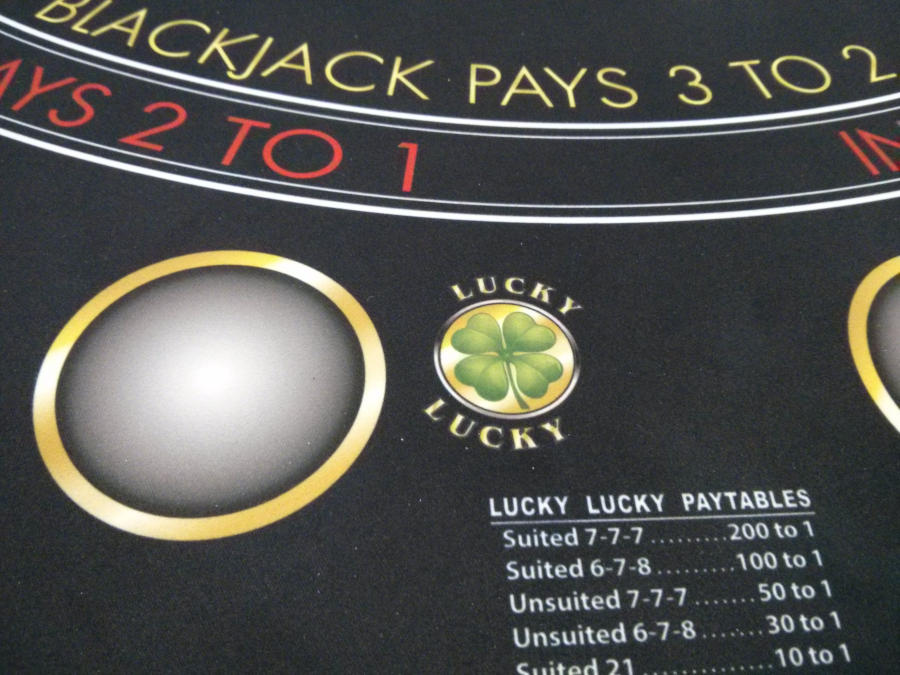
Live poker online games often include side bets. These can be tempting because they offer bigger payouts from special hands. A side bet might pay for pairs, flushes, straights, three of a kind, or rare combinations. The appeal is obvious. A small extra bet can lead to a much larger win. But side bets should be treated carefully.
The main game usually has its own strategy. Side bets are separate. They often have higher volatility, which means they can miss frequently and then pay sharply when a rare result appears. That can be fun, but it can also drain a bankroll faster.
Physical players may already know this from casino floors. The difference online is that side bets can be presented very smoothly. The best rule is to decide in advance whether side bets are part of your session. If they are, keep them small.
Multi Tabling Is Not for Everyone
One of the attractions of online poker is the ability to play more than one table. Players coming from physical tables should be especially careful here. In a real poker room, you usually play one table. Your attention is focused. You see every hand, even when you fold. You build reads from the full table rhythm.
Online, opening too many tables can damage that attention. You may start making automatic decisions or stop noticing player patterns. For experienced online players, multi tabling can be part of their routine. For players making the move from physical poker, one table is often enough at the start.
Deposits, Withdrawals, and Account Rules
Physical poker has a simple money flow. You bring cash or access funds, buy chips, play, and cash out. Online poker has more steps. You need an account, select a payment method and probably an identity verification. You also need to understand deposit limits, withdrawal rules, processing times, and any bonus terms.
Before playing, check the rules around your account. Make sure you understand how deposits and withdrawals work. If bonuses are involved, read the terms. Some offers come with wagering requirements or game restrictions.
Live poker online also requires stable access. If your connection drops during a hand, the result may depend on platform rules. You need to know what happens if you are disconnected. Does the system fold your hand? Does it check when possible? Is there a reconnection time?
These details affect your account. Physical players already know to check casino rules. Online players need to do the same with platform rules.
Strategy Adjustments for Physical Players
The biggest strategic adjustment is accepting that your edge will come from different information. You may be used to reading people physically. Online, you need to become better at reading their actions.
Pay close attention to bet sizing because many players repeat habits without noticing it, whether they keep using the same amounts or suddenly change size when their hand is stronger. Over time, those patterns can show you who raises too often, who calls too wide, and who can be pushed.
Patience also transfers well. Physical poker players often have experience folding for long stretches. That skill is valuable online. Many players lose online because they need action constantly. Good players are comfortable waiting.
The key is not to become a different player overnight. Keep the strong habits from physical poker, then update the parts that no longer apply.
Common Mistakes When Moving Online
The first common mistake is playing too fast. The interface makes action easy, so players start clicking before thinking.
The second mistake is playing too many hands. Online poker can feel less serious because there are no physical chips, but the money is real. Bad starting hands don’t improve just because they are on a screen.
The third mistake is ignoring table rules. Players may jump into live poker without understanding how it pays, how the dealer qualifies, or how side bets work. That confusion can be expensive.
Another one is chasing losses. Online access makes it easy to reload quickly. A player who would walk away from a physical casino might keep playing at home because the next hand is one click away.
Also, playing from the comfort of your home could give you a bit too much comfort. Poker needs attention. Even simple decisions are worse when half your mind is somewhere else.
Avoiding these mistakes will not guarantee a win, but it will make the move online much smoother.
Disclosure: This article contains sponsored content.
Enjoyed this article?
Join our newsletter to get the latest casino industry articles delivered straight to your inbox.
Related Article Archives: Players, All Articles
Related Terms & Definitions: Wagering Requirements, Full House, Bankroll, Cash Out, Straight, Natural, Action, Buy In, Casino, Change, Dealer, Limits, Full Dictionary
Related Posts

The House Edge, Explained for People Standing at the Table for the First Time
Oct 20, 2026 Amy Smith
Discover how the house edge affects your bets and which casino games give you the best value for your money!

Why Players Chase Gambling Losses and How to Stop
Oct 13, 2026 Masoom Anwar
Learn why players chase gambling losses, how emotions and the gambler’s fallacy affect decisions, and practical ways to set limits and know when to stop.

How to Take Your Skills to the Next Level
Oct 11, 2026 Heather Ferris
Think professional gambling is all glamour and big wins? Discover the skills, discipline, and risks behind success!
Why Do Casinos Love Side Bets?
Sep 22, 2026 Daniel Odeyemi and Heather Ferris
Learn why casinos push side bets and why players are drawn to high-risk, high-payout wagers in games like blackjack, craps, and roulette.

Are Casino Games Rigged?
Sep 20, 2026 Heather Ferris
From rigged games and mob-run casinos to modern regulation, discover why today’s biggest casino advantage isn’t cheating, it’s math.

9 Common Pet Peeves of Casino Dealers
Sep 13, 2026 Heather Ferris
Discover the nine casino habits that drive dealers crazy and learn how to avoid becoming their biggest pet peeve.
Table of Contents
- # Back to Top
- The Basic Rules Stay Familiar
- Good Manners Still Count Online
- The Biggest Rule Change Is the Pace
- Reading Players Is Different on a Digital Table
- Bankroll Rules Need More Attention Online
- Side Bets Need Extra Care
- Multi Tabling Is Not for Everyone
- Deposits, Withdrawals, and Account Rules
- Strategy Adjustments for Physical Players
- Common Mistakes When Moving Online