
Five Things Dealers See at the Table That Players Never Think About
Most blackjack players believe the game starts when the first card is dealt. Dealers know it starts when you sit down.
Twenty-two years of floor experience across Las Vegas casinos produces a very specific kind of knowledge: the tells, habits, and decisions that determine how a session ends before the first hand is ever played. None of it is in the rulebook. All of it is visible from behind the felt.
For the player-facing side of this equation, from platform comparisons to bonus terms and odds breakdowns, https://www.wsn.com/ is one of the more comprehensive independent resources available to US players. The floor knowledge and the research knowledge serve each other well when you combine them.
The Buy-In Tells the Story
Watch how someone exchanges their cash for chips and you know roughly how their session will go.
A player who puts $500 on the table and asks for all blacks is telling you their strategy before a hand is cut. A player who keeps most of their stack off the felt, only moving chips forward in controlled amounts, is playing a completely different poker game. The players who keep their money in a neat stack and replenish it deliberately almost always outlast the ones who scatter chips across the layout and reload impulsively.
Casinos study the buy-in moment carefully. Players almost never think about it.
Tipping Slows the Game Down
Tipping a dealer does not change the cards. It changes the pace.
A tipped dealer talks to you more. Not falsely, experienced dealers do not pretend a bad decision was good, but the rhythm between hands shifts. More conversation means more time between decisions. More time between decisions means fewer hands per hour. Fewer hands per hour means less exposure to the house edge across the session. A slower game is a good thing for the player. This means the casino is taking less of your money.
A $5 tip at a $25 minimum table buys you a slower game. Over an hour that is worth more than the tip costs.
Pressing a Streak Is Where Sessions Turn
Every dealer has watched this play out more times than they can count. A player wins five hands in a row and doubles their bet on the sixth. They lose. They raise again on the seventh. The shoe does not know about the streak. The next card is completely indifferent to what came before it.
From behind the table the moment a session shifts from profitable to painful is almost always the same moment: the player who was playing well decides momentum exists. It does not. Streaks are patterns we impose on independent events after the fact.
The players who leave up are the ones with a win limit and a loss limit, treating both with equal discipline.
What the Pit Boss Is Watching
Most players assume the pit boss is tracking card counters. That is a small fraction of what pit attention covers.
The majority of floor management focus goes toward time at the table, average bet size, and distress signals. A player who looks frustrated gets a comped drink. A player making erratic bets gets flagged not because they are winning but because erratic betting correlates with someone who is about to leave unhappy, and unhappy players do not return.
The floor is actively managing your experience. Knowing that is not cynical. It is information about whose interests are being optimized at any given moment.
Nobody Asks the Dealer
Players ask each other for advice at the table. They ask friends. They almost never ask the person who has dealt tens of thousands of hands and watched every possible outcome from three feet away.
The question worth asking at any table is not about strategy. It is about the specific rules in play at that table. Does the dealer hit or stand on soft 17? What does blackjack pay? Can you double after splitting? These rule variations shift the house edge in ways that compound across a session, and dealers know the rules of their table cold because they are required to.
Vegas Aces has been built around closing the gap between what the industry knows and what players know. The Vegas Aces dealer training resources cover everything from procedure to strategy, all of it coming from people who earned their knowledge on actual casino floors.
Disclosure: This article contains sponsored content.
Enjoyed this article?
Join our newsletter to get the latest casino industry articles delivered straight to your inbox.
Related Article Archives: Players, All Articles
Related Terms & Definitions: House Edge, Blackjack, Minimum, Casino, Change, Dealer, Layout, Player, Streak, Count, Cover, House, Full Dictionary
Related Posts

Why Players Chase Gambling Losses and How to Stop
Oct 13, 2026 Masoom Anwar
Learn why players chase gambling losses, how emotions and the gambler’s fallacy affect decisions, and practical ways to set limits and know when to stop.

How to Take Your Skills to the Next Level
Oct 11, 2026 Heather Ferris
Think professional gambling is all glamour and big wins? Discover the skills, discipline, and risks behind success!
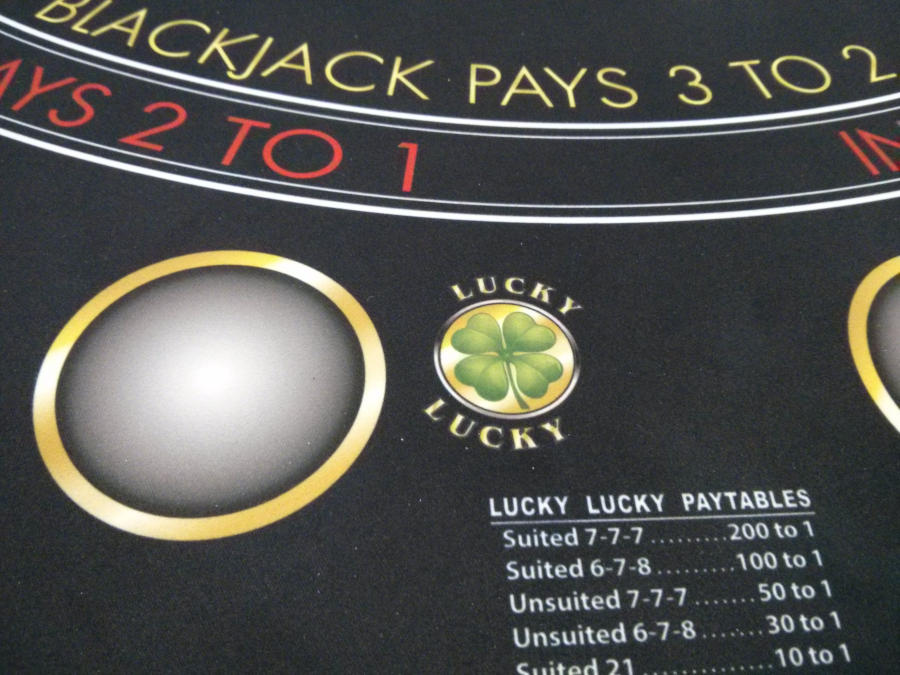
Why Do Casinos Love Side Bets?
Sep 22, 2026 Daniel Odeyemi and Heather Ferris
Learn why casinos push side bets and why players are drawn to high-risk, high-payout wagers in games like blackjack, craps, and roulette.
Are Casino Games Rigged?
Sep 20, 2026 Heather Ferris
From rigged games and mob-run casinos to modern regulation, discover why today’s biggest casino advantage isn’t cheating, it’s math.

9 Common Pet Peeves of Casino Dealers
Sep 13, 2026 Heather Ferris
Discover the nine casino habits that drive dealers crazy and learn how to avoid becoming their biggest pet peeve.

How to Go from Amateur to Pro
Aug 30, 2026 Heather Ferris
Discover what separates casual casino players from the pros, from smarter game selection to bankroll discipline and advantage play.